15 dead and 50,000 evacuated in devastating wildfires in southern Chile
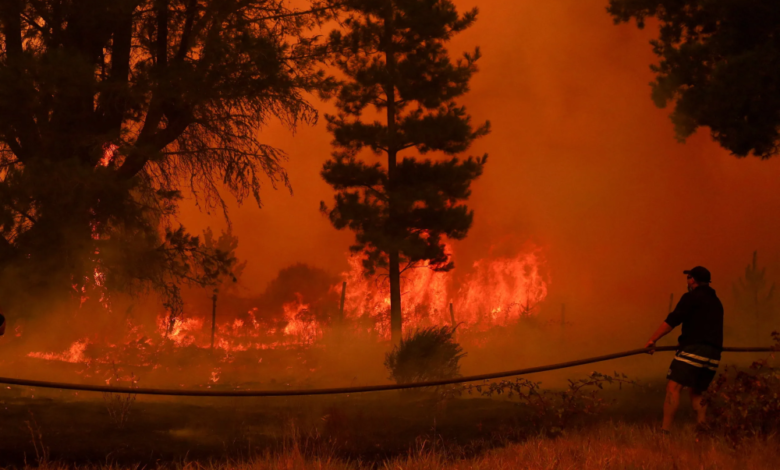
Southern Chile has been struck by a new humanitarian and environmental tragedy, as fierce wildfires have claimed the lives of at least 15 people and forced authorities to evacuate nearly 50,000 from their homes, in a scene reminiscent of the natural disasters that have plagued the country in recent years. Chilean authorities confirmed on Sunday that the fires were out of control in several areas due to the extreme weather conditions.
Details of the disaster and the declaration of a state of emergency
Chilean Security Minister Luis Cordero told the media that the death toll had reached 15, adding that large-scale evacuations were underway in the Noble and Biobío regions, located approximately 500 kilometers south of the capital, Santiago. These measures were being taken to save lives amid the rapidly spreading fires.
In an immediate response to the crisis, Chilean President Gabriel Burrich declared the two regions “disaster-stricken by natural disasters.” The president wrote on his Twitter account (formerly known as “X”): “Given the serious fires, I have decided to declare a state of natural disaster in the regions of Noble and Biobío.” This declaration allows the government to mobilize military and financial resources more quickly to combat the fires and provide aid to those affected.
Climatic context: scorching summer and strong winds
These fires broke out on Saturday at the height of summer in the Southern Hemisphere, a season marked this year by record-breaking temperatures and strong winds that fanned the flames and made them difficult for firefighters to control. Experts point out that Chile has been suffering for over a decade from a prolonged drought, known as the "Great Drought," which has made forests and agricultural areas easy fuel for the fires.
Climate change is a major factor in the recurrence of these disasters, as fire seasons in Chile have become longer and more intense, posing a constant challenge to the country's infrastructure and emergency teams.
A history of devastating fires
This incident is not isolated from the context of recent disasters in Chile. In recent years, forest fires have become increasingly frequent, particularly in the central and southern regions. The memory of the tragedy of February 2, 2014, remains fresh, when massive fires broke out around the tourist city of Viña del Mar (northwest of Santiago), killing 138 people and destroying thousands of homes, and ranking among the worst disasters in the country's modern history.
Economic and social impact
The regions of Noble and Biobío are of great economic importance to Chile, renowned for their agricultural activity and vast forests, which are a source of timber and paper. These fires are expected to have negative economic repercussions in the short and medium term, in addition to causing severe environmental damage to the region's biodiversity. Authorities are currently working to assess the damage and provide shelter for those displaced, amidst anticipated international and regional solidarity to help Chile overcome this crisis.