Jeddah Municipality's Ramadan plan: Enhancing cleanliness to serve residents and visitors
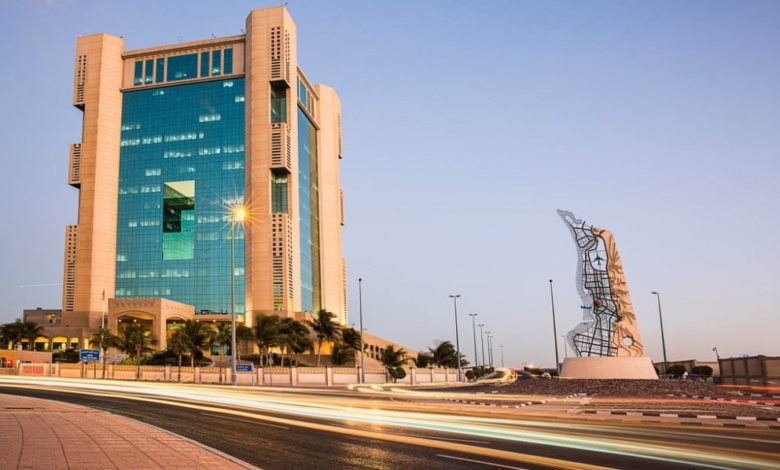
Intensive preparations to welcome the holy month
The Jeddah Municipality announced its intensified preparations for the holy month of Ramadan 1447 AH, through the implementation of a comprehensive operational plan aimed at improving the level of cleanliness and environmental sanitation services throughout the city. This plan is part of the seasonal field work carried out by the municipality to keep pace with the changes that occur in the city during the holy month, which witnesses a significant increase in population density and commercial and social activities, especially in the evenings.
General context and the importance of Jeddah as a gateway to the Two Holy Mosques
These efforts are particularly important given Jeddah's status as a major gateway to the Two Holy Mosques, receiving large numbers of pilgrims and visitors from within the Kingdom and abroad on their way to Mecca. Historically, municipalities and secretariats in major Saudi cities have developed exceptional plans during religious seasons such as Ramadan and Hajj to ensure the provision of the best possible services befitting the pilgrims and to provide a healthy and safe environment for both residents and visitors. These plans reflect the Kingdom's commitment to providing the utmost comfort and peace of mind for Muslims coming to perform their religious rites, which aligns with the objectives of Saudi Vision 2030 in the Hajj and Umrah sectors.
Details of the operational plan and allocated resources
The municipality explained that its plan is based on operational indicators that projected a 15% to 25% increase in waste volume during Ramadan, due to changing consumption patterns and increased activity after Taraweeh prayers. To address this increase, the municipality mobilized a large field and supervisory team of over 4,300 personnel, supported by a fleet of 689 pieces of equipment, including waste compactors, mechanical sweepers, dump trucks, loading equipment, and more. The full operational readiness of this equipment was ensured through preventative maintenance programs and the provision of backup vehicles to guarantee uninterrupted service.
Flexible shift distribution and comprehensive coverage
The plan adopted flexible operating schedules, distributing shifts throughout the day to cover peak periods. Work is intensified before Iftar (the breaking of the fast), after Taraweeh prayers, and during Suhoor (the pre-dawn meal). The scope of work includes a special focus on high-traffic locations such as 965 mosques and prayer areas, 107 shopping malls, 30 pedestrian walkways, and 602 public parks. The plan also pays close attention to the main roads and highways leading to Mecca to ensure their cleanliness and smooth traffic flow for the benefit of pilgrims. The work includes six main services: mechanical and manual sweeping, litter collection, vacant lot cleaning, collection and transportation of household and commercial waste, addressing visual pollution, and activating emergency teams to deal with any emerging situations on the ground.
The environmental treatment center operates 24/7
The municipality indicated that the environmental treatment center will continue its 24-hour operations, with increased readiness of landfill cells and operational efficiency of facilities to ensure the smooth reception and treatment of all waste from various service areas. It emphasized that these intensified efforts aim to maintain a high level of public cleanliness, improve the urban landscape, and enhance the quality of life for Jeddah residents and visitors during the holy month of Ramadan.