Weather alerts: Rain and wind hit parts of Saudi Arabia
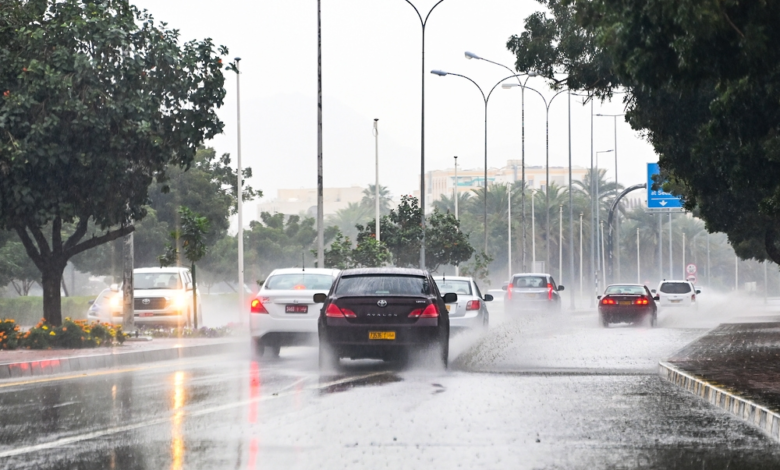
The National Center for Meteorology in Saudi Arabia issued a recent report warning of expected weather fluctuations, including varying intensities of rainfall and increased surface wind activity in several regions of the Kingdom. This warning comes as part of the Center's ongoing monitoring of weather conditions to ensure the safety of citizens and residents.
Weather forecast and affected areas
The report indicated that there is a chance of thunderstorms, possibly accompanied by strong winds that could stir up dust and sand, potentially reducing horizontal visibility in some areas. Typical weather forecasts for this time of year suggest that these conditions may affect mountainous regions, coastal areas, and parts of the central and northern regions, as the Kingdom is influenced by air masses that contribute to the formation of cumulonimbus clouds.
Civil Defense warnings and safety guidelines
In conjunction with weather reports, the General Directorate of Civil Defense typically calls for caution in such conditions. Authorities emphasize the importance of staying away from areas where water accumulates, valleys, and dams during rainfall, and of not attempting to cross valleys, no matter how low the water level may seem. Drivers are also advised to drive with extreme caution on highways and open roads due to the possibility of reduced visibility caused by dust or fog.
The climatic and geographical context of the Kingdom
Saudi Arabia is characterized by its vast geographical area and diverse topography, resulting in a varied climate from region to region. While coastal areas experience high humidity, the central regions have a dry continental climate. The transitional periods between seasons are among the most volatile and rapid in terms of weather changes, necessitating continuous monitoring of weather forecasts.
The role of the National Center for Meteorology and Monitoring Technologies
The National Center of Meteorology plays a pivotal role in protecting lives and property by utilizing the latest technologies in weather monitoring, including satellites and advanced weather radars. These technologies contribute to more accurate forecasts and the delivery of early warnings to government agencies and the public, enhancing the country's preparedness to deal with any potential climate emergencies, in line with quality of life objectives.