Japan restarts world's largest nuclear power plant after Fukushima disaster
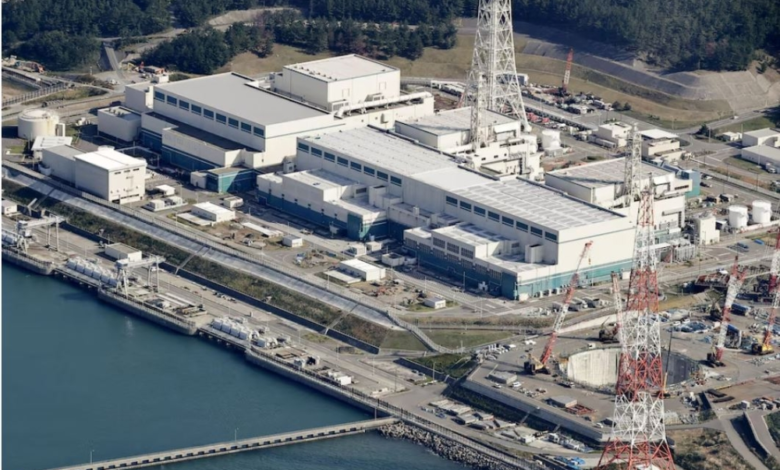
In a move representing a radical shift in Japanese energy policy, Niigata Prefecture officially approved the restart of the Kashiwazaki-Kariwa nuclear power plant on Monday. The plant is the world's largest nuclear power plant by generating capacity. This decision comes nearly 15 years after its complete shutdown following the Fukushima Daiichi disaster, signaling Tokyo's strong return to nuclear power.
The end of the era of lockdowns and the return to nuclear power
The Kashiwazaki-Kariwa plant, operated by Tokyo Electric Power Company (TEPCO) and located about 220 km northwest of Tokyo, was one of 54 nuclear reactors shut down following the devastating earthquake and tsunami of 2011. That disaster, considered the worst since Chernobyl, led to a freeze in Japan's nuclear power sector and a comprehensive review of safety standards.
The decision to restart the plant comes at a time when Japan, a country poor in natural resources, is seeking to enhance its energy security and reduce its dependence on costly imports of liquefied natural gas and coal, as well as striving to achieve carbon neutrality targets by 2050. This station is considered a key pillar in the Japanese government's strategy to provide a stable and low-cost electricity supply to homes and factories.
Fukushima's ongoing challenges
While attention is focused on restarting the Kashiwazaki-Kariwa plant, Japan continues to grapple with the legacy of the past at the Fukushima site. Last August, according to previous reports, specialized technical teams began sending advanced, remotely controlled robots into the damaged reactors at the crippled Fukushima plant.
These delicate operations aim to locate and remove radioactive remnants and molten fuel, a highly dangerous task given the extremely high levels of radiation that preclude direct human intervention. Removing the nuclear debris is the most difficult and complex challenge in the decommissioning process, which could take decades.
Economic and strategic importance
The restart of the world's largest nuclear power plant has gained significance beyond its borders; global energy markets are closely monitoring the move. The return of the Japanese reactors to operation could ease pressure on the global liquefied natural gas (LNG) market, potentially impacting international prices. Domestically, the decision is seen as an economic necessity to support Japanese industries that have struggled with high energy bills for years.
However, the actual restart process still requires additional procedural and technical steps to ensure the highest safety standards, under strict public and international oversight to ensure that the tragedies of the past are not repeated.