Japan approves historic budget with massive defense spending for 2026
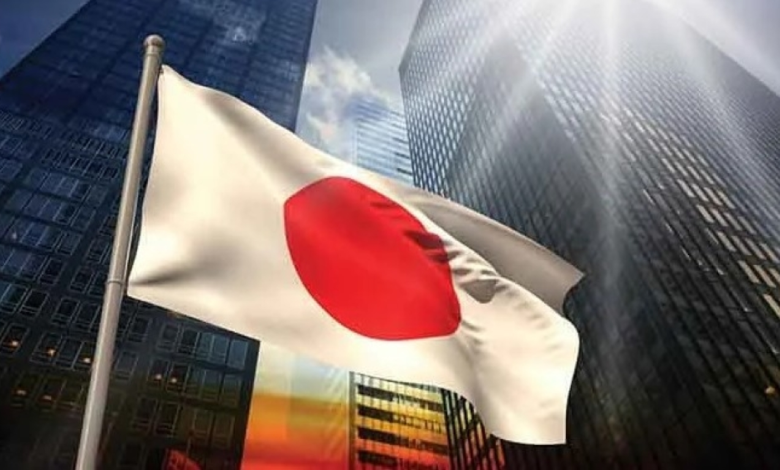
The Japanese government on Friday approved a record-breaking general budget for the fiscal year beginning April 1, 2026, a move reflecting a major strategic shift in Tokyo's fiscal and defense policies. This massive budget aims to finance an unprecedented increase in defense spending, as well as cover the growing costs of social security, amid economic challenges posed by persistent inflation that is squeezing domestic consumer spending.
Details of the historic budget
According to the official announcement, the new budget totals 122.3 trillion yen (approximately US$781 billion). The government has allocated a significant portion to the military sector, earmarking nearly 9 trillion yen for defense spending. This substantial allocation comes as Prime Minister Sanae Takaichi is leading a concerted effort to accelerate the modernization of the country's military capabilities in response to the complex geopolitical shifts in the Indo-Pacific region, particularly in light of deteriorating diplomatic and security relations with China.
A shift in Japanese defense doctrine
This increased defense spending represents a gradual departure for Japan from its strict pacifist doctrine adopted since the end of World War II. In recent years, Tokyo has begun reinterpreting its pacifist constitution to allow it to play a more active security role, announcing plans to double its military spending to 2% of GDP, the standard followed by NATO countries. The Japanese Ministry of Defense stated that the country faces the "most dangerous and complex security environment" in its modern history, necessitating a radical strengthening of its defense capabilities to ensure deterrence.
Regional tensions and the Taiwan issue
The approval of this budget comes at a highly sensitive time, amid escalating tensions between Tokyo and Beijing. The situation was exacerbated by Prime Minister Takaichi's remarks, in which she explicitly suggested the possibility of Japanese military intervention should Taiwan be attacked. China considers Taiwan an integral part of its territory and has not ruled out the use of force to annex it, making the Taiwan Strait a potential flashpoint that could draw in regional and international powers in a wider conflict.
Economic challenges and population aging
In addition to security concerns, the Japanese budget faces immense internal pressures. The rising costs of social security are primarily due to Japan's demographic challenge: a rapidly aging population and a shrinking workforce. This reality places increasing strain on pension and healthcare systems. Simultaneously, inflation is casting a shadow over the economy, raising the cost of living and negatively impacting citizens' purchasing power—a challenge the new budget has attempted to address to ensure both economic and social stability.