1239 group housing licenses issued in Saudi Arabia in 2025
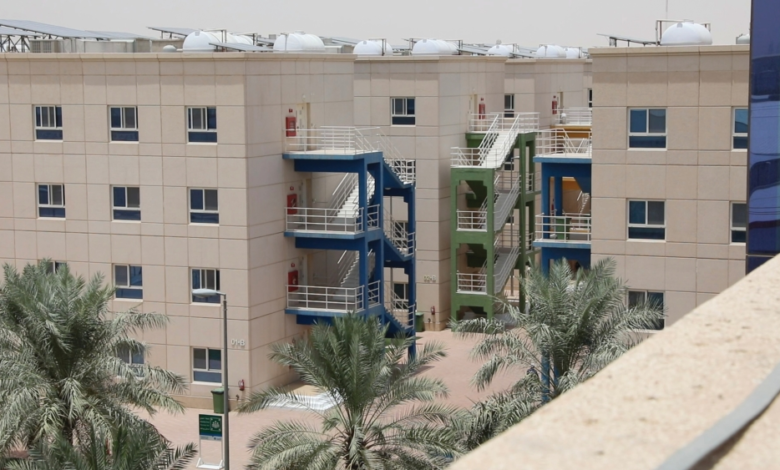
In a move reflecting the rapid development in the municipal and urban sector in the Kingdom of Saudi Arabia, the Ministry of Municipalities and Housing announced a qualitative leap in regulating the group housing sector, with the issuance of 1,239 new licenses for group housing for individuals during 2025. This achievement coincides with the issuance of more than 1,000 licenses that fully comply with the requirements of the Saudi Building Code, which confirms the Ministry’s commitment to raising quality of life standards and improving the urban landscape in Saudi cities.
Context of transformation and organization of the housing environment
This announcement is not merely an update of the figures; it represents a part of a comprehensive strategy adopted by the Kingdom within Vision 2030 to address the challenges of worker housing and develop the urban environment. Historically, the Kingdom has strived over the past years to transform collective housing from haphazard to meticulously organized institutional development by imposing strict health, technical, and environmental requirements that guarantee the dignity of residents and provide them with a safe and healthy environment. These licenses are the culmination of regulatory efforts that began with the establishment of joint oversight committees and the updating of regulations to ensure that cities are free from the uncivilized aspects associated with informal housing.
Digital transformation and speed of completion
The ministry explained that the municipal licensing system has witnessed a remarkable improvement in performance efficiency thanks to the adoption of advanced digital channels. This is reflected in the reduction of the average time for issuing municipal licenses by 2025 to approximately 24 hours, with 87% of all licenses issued within one day. This acceleration in procedures reflects the success of the "Baladi" platform and its supporting systems in automating processes and facilitating the user experience, thus enhancing the attractiveness of investment in the collective housing sector.
Control and compliance indicators
In terms of monitoring and field follow-up, the ministry achieved figures that reflect the seriousness of its implementation, with oversight coverage of municipal activities reaching 95%, while the compliance rate of municipal establishments and activities with regulations reached 88%. These indicators confirm the effectiveness of the oversight role in regulating urban development practices and ensuring the sustainability of services provided.
Economic and social impact
Regulating the collective housing sector has significant economic and social dimensions. Locally, it contributes to providing suitable housing for expatriate workers, which positively impacts public health and reduces the spread of epidemics and diseases. Economically, regulating this sector opens up broad prospects for investors and real estate developers to establish well-planned residential complexes with rewarding returns. Internationally, this approach enhances the Kingdom's standing in international human rights and labor reports, affirming its commitment to providing decent living standards for all residents within its borders.
Contractor qualification and support services
To further enhance the quality system, regulatory efforts included qualifying and classifying over 24,000 contractors and launching more than 25 model contracts for municipal services through the "Baladi Business" platform. Additionally, 40% of municipal services are now covered by qualified service providers, ensuring projects are implemented according to the highest technical standards. The Ministry of Municipalities and Housing affirmed that these efforts are ongoing to update guidelines and requirements in line with urban planning objectives and the improvement of a sustainable urban environment.