Israel targets military sites in Iran | Unprecedented escalation in the region
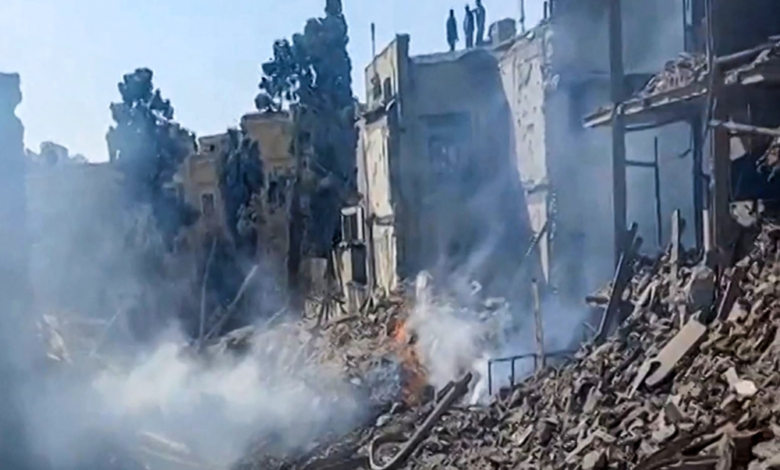
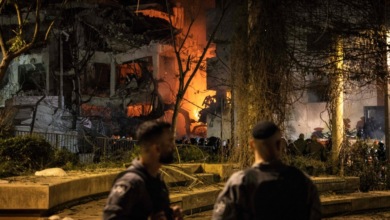
In a significant development representing a major escalation in the direct confrontation between Iran and Israel, reports indicate that the Israeli military launched a large-scale attack targeting more than 30 military sites inside Iranian territory. This announcement coincided with reports of loud explosions in the capital, Tehran, and other areas on Saturday night into Sunday morning, sparking heightened tension and concern both regionally and internationally.
According to initial reports, at least three explosions rocked the Iranian capital around 4 a.m. local time, while the sounds of drones flying in the city's sky were heard, indicating the nature of the attack, which relied on advanced technologies to penetrate Iranian air defenses.
Background of the conflict: From shadow war to direct confrontation
This attack comes at a dangerous new stage in the decades-long conflict between the two countries, known as the “shadow war.” Historically, confrontations have been limited to covert operations, cyberattacks, targeting of Iranian proxies in the region such as Syria and Lebanon, and assassinations of Iranian nuclear scientists. But recent events have escalated the conflict to the level of direct military confrontation.
The Israeli attack on the Iranian consulate in Damascus on April 1, 2014, which killed senior commanders in the Iranian Revolutionary Guard, marked a turning point, prompting Tehran to respond directly and unprecedentedly. Iran launched hundreds of drones, ballistic missiles, and cruise missiles toward Israel, in an attack that Israeli air defenses and their allies managed to intercept most of.
The importance and expected effects of the Israeli attack
The alleged Israeli attack on Iranian territory carries significant strategic implications and potentially wide-ranging repercussions:
- On the Iranian domestic front: The attack places significant pressure on the Iranian regime, tests its air defense capabilities, and may influence domestic public opinion. It also represents a strong deterrent message aimed at re-establishing the rules of engagement that prevailed before the Iranian response.
- Regionally, the attack has raised tensions in the Middle East to unprecedented levels, increasing fears of a full-blown regional war that could draw in other actors such as Hezbollah in Lebanon and the Houthis in Yemen. The Gulf states are watching developments with grave concern, fearing the conflict could spill over into their territories and impact their economic and security stability.
- Internationally, this escalation has sparked widespread concern, with major powers, particularly the United States and European nations, calling for maximum restraint to avoid a descent into a devastating war. Furthermore, any instability in the region threatens the stability of global energy markets and the security of maritime navigation in vital waterways such as the Strait of Hormuz.
In conclusion, this direct exchange of attacks between Israel and Iran represents a historic turning point in the dynamics of the conflict in the Middle East, as the region teeters on the brink, and all eyes are on the next steps that the two sides will take, and whether diplomatic efforts will succeed in containing the situation before it is too late.