Iran's foreign minister visits Türkiye to discuss mediation with Washington
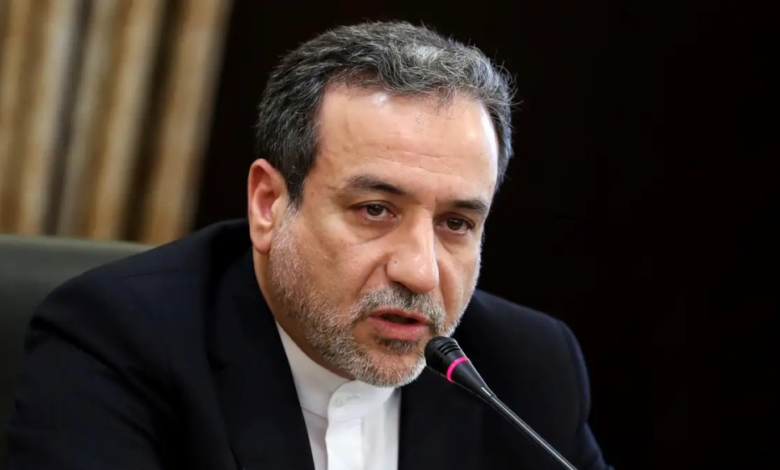
All eyes will be on the Turkish capital, Ankara, on Friday, as Iranian Foreign Minister Abbas Araqchi makes a significant official visit, meeting with his Turkish counterpart in a diplomatic move aimed at discussing ways to de-escalate regional tensions. This visit comes at a highly sensitive time, as Turkey has proposed a mediation initiative between Tehran and Washington amidst escalating US threats and the specter of potential military strikes, leaving the region facing a range of unpredictable scenarios.
Turkish mediation and the stance on military intervention
Diplomatic sources at the Turkish Foreign Ministry reported that Foreign Minister Hakan Fidan will reiterate his country's firm stance against any foreign military intervention in Iran during his talks with Iraqi Foreign Minister Abbas Araqchi. Ankara views the possibility of a new armed conflict erupting on its borders with grave concern. Fidan will emphasize that Turkey is prepared to utilize its diplomatic channels to contribute to resolving current tensions through constructive dialogue, while warning that any military action would have disastrous consequences not only for Iran but also for the stability of the region and the world at large.
Security concerns and shared borders
On the security front, Turkey makes no secret of its concerns about the repercussions of any potential collapse of the situation inside Iran. In this context, a Turkish official revealed plans to bolster security measures along the shared border, which stretches over 500 kilometers. Although Ankara has already completed the construction of a security wall covering approximately 380 kilometers of the border strip, Turkish officials consider this insufficient in the event of waves of displacement or security chaos.
The precautionary plans include deploying advanced electronic systems to monitor the borders, as well as increasing the number of military forces in the border areas, in anticipation of any scenario that could lead to the "fall of the regime" or the loss of central control in Tehran.
The nuclear issue and the call for dialogue
In a related development, Turkish Foreign Minister Hakan Fidan urged the US administration to prioritize diplomacy, calling on Washington to resume nuclear talks with Tehran instead of escalating the conflict militarily. Fidan stated that "Iran has expressed its willingness to resume negotiations on the nuclear issue," emphasizing that reigniting the war would be a grave strategic mistake.
Fidan added, directing his advice to Western allies: “My advice to our American friends has always been: close the files one by one with the Iranians. Start with the nuclear file and finish it, then move on to the other files,” noting that piecemeal diplomatic solutions may be the best way to defuse the crisis.
Context of regional tension
These diplomatic moves come amid a palpable military escalation in the waters of the Middle East, with the US Central Command recently announcing the deployment of a naval strike group led by the aircraft carrier USS Abraham Lincoln. This military buildup coincides with internal unrest in Iran since late December, prompting Turkish President Recep Tayyip Erdoğan to assert that these events constitute a true test for Tehran. He emphasized that Turkey, as a NATO member and a neighbor of Iran, will stand against any action that could plunge the region into chaos.