Iran threatens to retaliate against the US amid escalating nuclear tensions
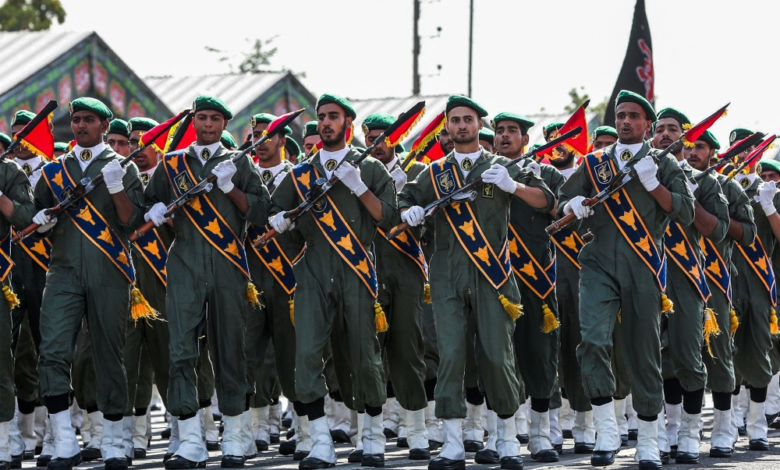
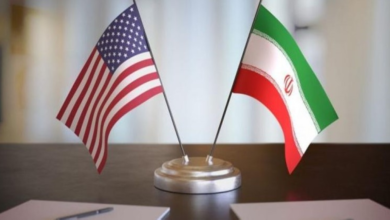
In a new escalation of rhetoric between Tehran and Washington, Iranian Deputy Foreign Minister Abbas Araqchi affirmed his country's absolute right to defend itself and respond decisively to any US military attack. These strong statements come amid ongoing tensions surrounding the Iranian nuclear program and as a new round of talks between the two sides approaches, casting a shadow of doubt over the diplomatic process.
In an interview with CBS News, Araqchi said, “If the United States attacks us, we have every right to defend ourselves. What we will do in response will be self-defense.” He added, in a direct warning, “If the United States attacks us, it is an act of aggression. Our response will be justified and legitimate, and we will strike American bases in the region.”.
Background to the tension: From the nuclear agreement to the policy of maximum pressure
The roots of the current crisis can be traced back to 2018, when the administration of former US President Donald Trump unilaterally withdrew from the Joint Comprehensive Plan of Action (JCPOA), commonly known as the “Iran nuclear deal,” which had been signed in 2015 between Iran and the P5+1 group of nations. The agreement aimed to restrict Iran’s nuclear program in exchange for lifting economic sanctions. However, following the withdrawal, Washington reinstated harsh sanctions as part of its “maximum pressure” campaign, with the goal of forcing Tehran to negotiate a new agreement on US terms.
The importance of the event and its potential impact
These statements are of paramount importance given their potential impact on the stability of the Middle East and the world. Regionally , any direct military confrontation between Iran and the United States could ignite a full-scale war, drawing in allies of both sides in the region and threatening the security of vital waterways, particularly the Strait of Hormuz, through which a significant portion of the world's oil supply passes. Internationally , the failure of the diplomatic track and the outbreak of conflict would deal a blow to European efforts to salvage the nuclear agreement and could lead to a nuclear arms race in the region, in addition to its dire consequences for the global economy and energy markets.
narrow diplomatic window
Despite his strong tone, Araqchi left the door open for diplomacy, indicating a “good chance” of reaching an agreement. A new round of talks is expected to be held in Geneva, the third such round mediated by Oman, following previous rounds in Muscat and Geneva. The world remains watchful to see whether diplomatic efforts will succeed in defusing the crisis, or whether the region will slide into a disastrous military confrontation.