Iran threatens a strong response to any US attack amid escalating tensions
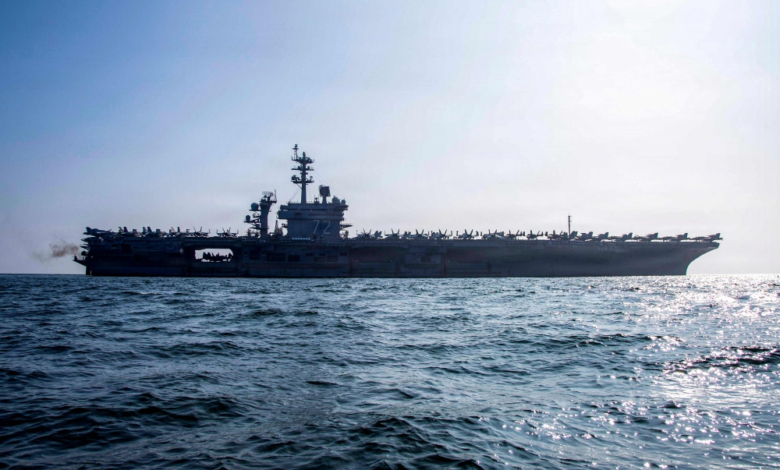
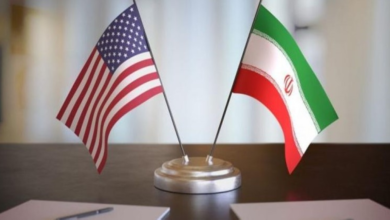
Iran has declared in a firm tone that it will respond forcefully and decisively to any American attack, emphasizing that any aggression, regardless of its scale, will have dire consequences. This warning comes at a time of escalating tensions between Tehran and Washington, following statements by former US President Donald Trump indicating that he was considering limited military strikes against Iranian targets.
At a press conference, Iranian Foreign Ministry spokesman Esmail Baghaei emphasized that the concept of a “limited strike” does not exist in the Iranian military lexicon. He stated, “There is no such thing as a limited strike. Any aggression will be considered a full-scale aggression, and any country will respond forcefully based on its inherent right to self-defense, and that is what we will do.” These remarks reflect Iran’s unwavering stance of rejecting any form of military threat and upholding its right to deter and defend its sovereignty.
A historical context of tension
The roots of the current tensions lie in decades of complex relations between the two countries, but they escalated dramatically after the Trump administration’s 2018 decision to unilaterally withdraw from the 2015 nuclear agreement (Joint Comprehensive Plan of Action – JCPOA). This withdrawal was followed by a “maximum pressure” campaign, including crippling economic sanctions, aimed at forcing Iran to negotiate a new agreement encompassing its missile program and regional influence. This policy has led to a significant increase in the US military presence in the Middle East, raising the stakes and increasing the likelihood of direct confrontation.
Importance and potential impacts
Any military escalation between the United States and Iran would have serious repercussions far beyond their borders. Regionally, an attack could ignite a wider war in the Middle East, where Iran possesses a network of allies and proxies capable of targeting U.S. and allied interests across the region, from Iraq and Syria to Lebanon and Yemen. Such an escalation would also threaten the security of international shipping in the Strait of Hormuz, a vital waterway through which a significant portion of the world’s oil supply passes, potentially leading to a dramatic surge in global energy prices.
Internationally, European powers, still committed to the nuclear agreement, find themselves in a difficult position, consistently calling for diplomatic solutions and the avoidance of war. The EU's foreign policy chief has warned that the region cannot afford another war. Meanwhile, Russia and China, both backers of Iran, seek to limit American influence in the region, and any conflict could deepen global polarization. These developments come as indirect talks between Tehran and Washington, mediated by Oman, continue in Switzerland, in an attempt to find a diplomatic way out of the escalating crisis.