Iran vows a firm response against America and Israel amid regional escalation
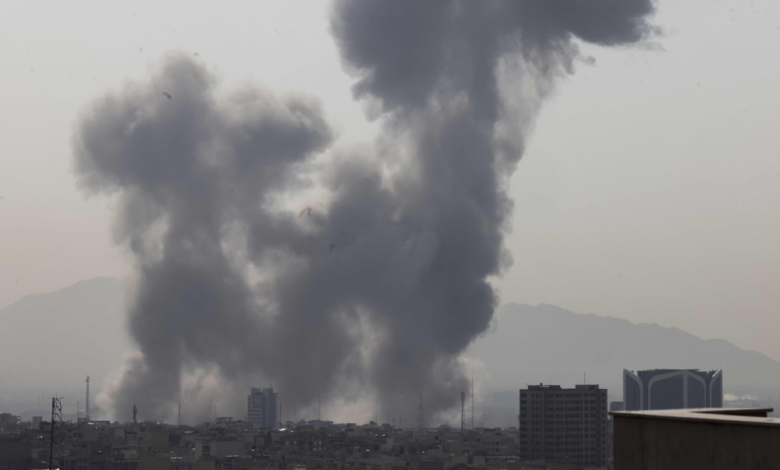
Amid escalating tensions in the Middle East, the Iranian Foreign Ministry issued a strongly worded statement, asserting that Tehran would respond decisively and forcefully to any military aggression by the United States or Israel against its territory. This threat reflects the state of high alert prevailing in the region and presents regional and international powers with the challenge of preventing a slide into a full-blown military confrontation with potentially disastrous consequences.
The Iranian Foreign Ministry stated, “The armed forces of the Islamic Republic of Iran will respond decisively to the aggressors,” emphasizing that Tehran, while seeking to avoid war and remaining open to negotiations, is “more prepared than ever to defend the Iranian people and its territorial integrity.” This statement represents a dual message, combining a show of military force with an open door to diplomacy—a strategy Iran has consistently employed in its dealings with its adversaries.
A historical context of tension and proxy wars
This threat cannot be understood in isolation from the long history of hostility between Iran and both the United States and Israel. Since the 1979 Islamic Revolution, Tehran has been engaged in an indirect confrontation, known as the “Middle Eastern Cold War,” with Washington and its allies. This confrontation has manifested itself in various forms, most notably the “shadow war” with Israel, which has included cyberattacks, attacks on commercial vessels, the assassination of Iranian nuclear scientists, and repeated Israeli airstrikes against Iranian targets and allied militias in Syria.
Over the decades, Iran has also built a network of allies and armed groups in the region, known as the “Axis of Resistance,” stretching from Hezbollah in Lebanon to the Houthis in Yemen, as well as armed factions in Iraq and Syria. Tehran considers this network a strategic depth for deterring its adversaries and expanding its influence, while the United States and Israel view it as a source of regional instability and a direct threat to their security and interests.
The importance and potential effects of escalation
The recent Iranian threat carries serious repercussions on all levels. Regionally, any direct military confrontation between Iran and either Israel or the United States would ignite a massive conflagration that would be difficult to contain, potentially drawing in other parties and threatening the stability of neighboring countries and the security of vital waterways, most notably the Strait of Hormuz, through which a significant portion of the world's oil supply passes. The mere threat of war negatively impacts the region's economies and increases investor uncertainty.
On the international level, any large-scale armed conflict would inevitably lead to a dramatic surge in energy prices, exacerbating global economic crises. It would also place major powers like Russia and China in a difficult position, potentially pushing them to take sides in the conflict and further complicating the global geopolitical landscape. For this reason, many countries are intensifying their behind-the-scenes diplomatic efforts to urge restraint and prevent any miscalculations that could escalate the situation.