Iran-US talks: Significant progress in Geneva mediated by Oman
Diplomatic progress in Geneva
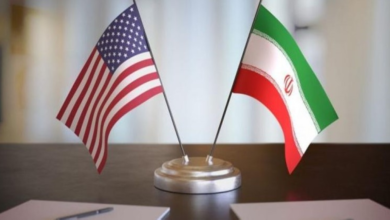
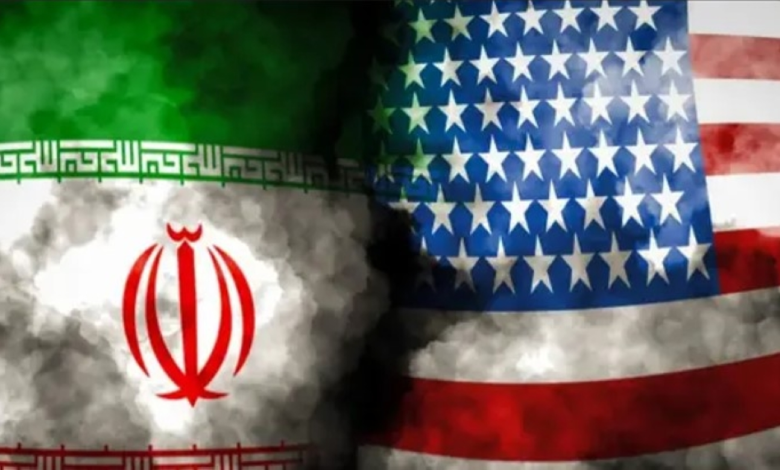
Oman's Foreign Minister, Badr bin Hamad al-Busaidi, announced the conclusion of the third round of indirect talks between Iran and the United States, hosted by Geneva, Switzerland, confirming that "significant progress" had been made. This round comes within the context of intensive diplomatic efforts led by the Sultanate of Oman, which plays the role of a trusted mediator between Tehran and Washington, with the aim of defusing tensions and preventing an escalation that could destabilize the entire region.
Al-Busaidi wrote on the “X” platform (formerly Twitter): “We concluded today after achieving significant progress in the negotiations between the United States and Iran. We will resume soon after consultations in the relevant capitals.” He indicated that technical-level discussions will continue next week in Vienna, the headquarters of the International Atomic Energy Agency, reflecting the parties’ seriousness in translating political progress into practical and tangible steps.
Historical background and context of negotiations
These negotiations stem from the crisis that arose after the United States unilaterally withdrew from the Joint Comprehensive Plan of Action (JCPOA), also known as the Iran nuclear deal, in 2018 under former President Donald Trump, and reimposed crippling economic sanctions on Iran. In response, Tehran began gradually reducing its compliance with the agreement and intensified its nuclear activities, including raising uranium enrichment levels to levels that alarmed the international community. Since the Biden administration took office, several attempts have been made to revive the agreement, but these have stalled due to deep disagreements over the scope of sanctions relief and the safeguards needed to prevent a repeat of the US withdrawal.
The importance of the talks and their expected impact
This round of talks is of exceptional importance both regionally and internationally. Regionally, any agreement or understanding to de-escalate tensions could ease the crisis in the Middle East, especially given the connection between the Iranian nuclear issue and numerous other security concerns, including maritime security in the Arabian Gulf and the situations in Yemen, Syria, and Lebanon. Progress in the negotiations would also send reassuring messages to neighboring countries that aspire to a more stable and secure region.
Internationally, the world is watching these talks closely, as their success would mean averting a nuclear arms race in a sensitive region and stabilizing global energy markets, which are vulnerable to any tension in the Gulf. For the United States, reaching a diplomatic solution represents a way to avoid being drawn into a new military conflict, allowing it to focus on other geopolitical challenges. This diplomatic activity coincides with military movements, as the USS Gerald R. Ford, the world's largest aircraft carrier, departed its base in Greece after being deployed to the Mediterranean as part of a military buildup aimed at pressuring Iran—a strategy that combines diplomacy and deterrence.