A historic opportunity for a nuclear agreement between Iran and America: Will the negotiations succeed?
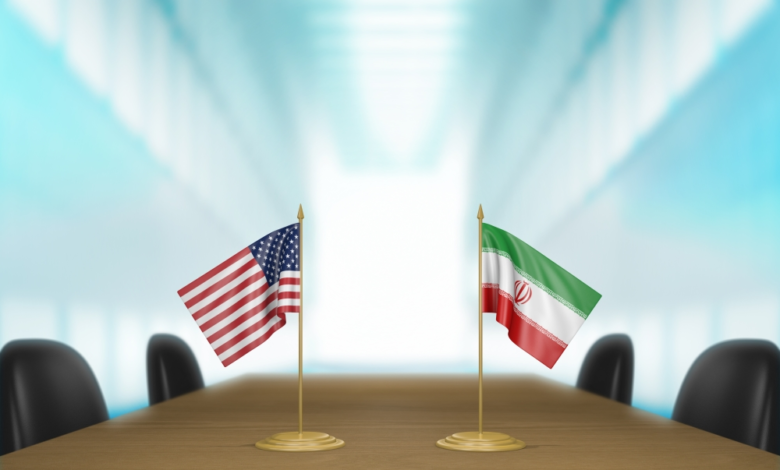
Iranian Deputy Foreign Minister Abbas Araqchi asserted, ahead of a new round of negotiations with the United States, that there is a “historic opportunity” to reach an “unprecedented agreement” between Tehran and Washington regarding Iran’s nuclear program. In a statement reflecting cautious optimism, Araqchi emphasized that achieving this goal depends on prioritizing diplomatic solutions.
Historical background of nuclear negotiations
These statements come amid intensive diplomatic efforts to revive the Joint Comprehensive Plan of Action (JCPOA), commonly known as the Iran nuclear deal, which was signed in 2015. This agreement was concluded between Iran and the P5+1 group of world powers, comprising the United States, Britain, France, Russia, China, and Germany. Under the agreement, Iran agreed to strict and long-term restrictions on its nuclear program in exchange for the lifting of international economic sanctions. However, the agreement suffered a major setback in 2018 when the administration of former US President Donald Trump unilaterally withdrew from it and reimposed harsh sanctions as part of its “maximum pressure” campaign. In response, Iran began gradually reducing its compliance with the nuclear commitments stipulated in the agreement.
The importance of the agreement and its potential impact
Reaching a new agreement or reviving the original one is of paramount importance on several levels. Domestically, in Iran, lifting sanctions would revitalize the struggling economy, potentially improving living standards and easing social pressures. It would also strengthen the position of the pro-diplomacy political faction within Iran.
Regionally, the agreement is expected to contribute to reducing tensions in the Gulf and the wider Middle East, a region plagued by polarization and proxy conflicts. However, some countries in the region, most notably Israel and Saudi Arabia, view the agreement with concern, arguing that it does not adequately address Iran's ballistic missile program and Tehran's role in destabilizing the region.
On the international level, the success of the negotiations would represent a victory for multilateral diplomacy and bolster global efforts to prevent nuclear proliferation. It would also have a direct impact on global energy markets, allowing Iran to fully resume its oil exports, potentially leading to price stability. Therefore, the world is closely watching the course of these talks, which Araqchi described as a “historic opportunity” that could reshape relations between Iran and the West.