Iran and the US: A historic opportunity for a nuclear agreement in the Geneva negotiations
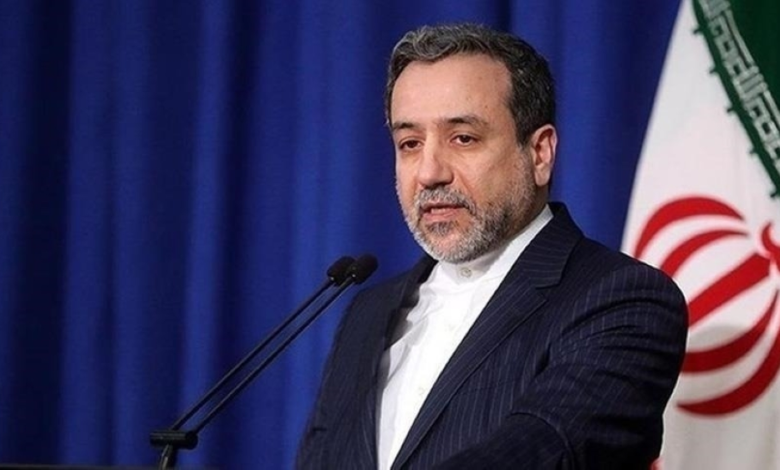
Iran’s chief negotiator, Abbas Araqchi, expressed cautious optimism ahead of a new round of nuclear talks with the United States in Geneva, describing the moment as a “historic opportunity” to reach an “unprecedented agreement” between Tehran and Washington. In his remarks, Araqchi stressed that achieving this goal hinges on prioritizing diplomatic solutions to address shared concerns and meet mutual interests.
Araghchi wrote on the “X” platform: “We have a historic opportunity to reach an unprecedented agreement that dispels shared concerns and fulfills common interests. An agreement is within our grasp if diplomacy is prioritized.” He affirmed that the Iranian delegation is preparing for the next round of talks “with a determination to achieve a fair and equitable agreement as soon as possible,” emphasizing Iran’s right to benefit from peaceful nuclear technology for its people, while denying that his country seeks to acquire nuclear weapons under any circumstances.
Historical background of nuclear negotiations
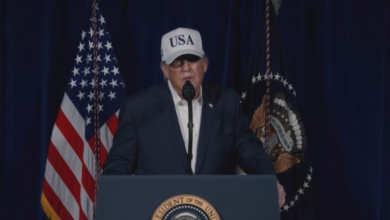
This round of negotiations comes against the backdrop of a long history of tensions surrounding Iran’s nuclear program. After years of crippling international sanctions, Iran and the P5+1 group of world powers reached a landmark agreement in 2015, known as the Joint Comprehensive Plan of Action (JCPOA). Under this agreement, Tehran agreed to strict limits on its nuclear activities in exchange for the lifting of economic sanctions. However, this diplomatic achievement suffered a major setback in 2018 when then-US President Donald Trump unilaterally withdrew the United States from the agreement and reimposed harsh sanctions as part of a “maximum pressure” campaign. In response, Iran began gradually reducing its compliance with the agreement, leading to a renewed escalation of tensions.
The importance of the agreement and its expected impact
Reaching a new agreement or reviving the original one is of paramount importance on all levels. Domestically, in Iran, lifting sanctions would revitalize the struggling economy, potentially improving living conditions and alleviating soaring inflation. Regionally, a diplomatic solution would ease tensions in the Middle East, particularly given concerns expressed by countries like Israel and Saudi Arabia regarding Iran's nuclear ambitions. A successful agreement would also reduce the likelihood of a military conflict that could have devastating consequences for the stability of the entire region.
Internationally, the success of the negotiations would represent a victory for nuclear non-proliferation efforts and bolster the credibility of diplomacy as a tool for resolving complex international conflicts. It would also contribute to the stability of global energy markets by allowing Iranian oil to fully return to the market. For this reason, world powers are closely monitoring the Geneva talks, hoping that Tehran and Washington can overcome their differences and reset relations toward de-escalation and cooperation.