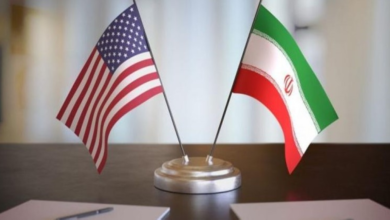
Geneva nuclear talks: The future of the Iran-US agreement
In a diplomatic move closely watched by the world, the Iranian negotiating team arrived in Geneva, Switzerland, on Wednesday for a new and crucial round of talks with US officials regarding Tehran's nuclear program. Despite Iranian statements that conveyed a tone of cautious optimism, the atmosphere remains fraught with complex challenges inherited from years of tension and mistrust between the two countries.
Historical background of the nuclear conflict
The roots of the Iranian nuclear crisis stretch back decades, to when Iran began its nuclear program, which it has consistently insisted is peaceful and limited to medical and energy purposes. In contrast, Western powers, particularly the United States and Israel, view this program with suspicion, expressing concerns that it is a cover for developing nuclear weapons, which would fundamentally alter the balance of power in the Middle East.
Diplomatic efforts culminated in 2015 with the signing of the Joint Comprehensive Plan of Action (JCPOA), commonly known as the Iran nuclear deal, between Iran and the P5+1 group of nations (the five permanent members of the UN Security Council plus Germany). Under this landmark agreement, Iran agreed to strict and long-term restrictions on its nuclear activities and to allow extensive international inspections in exchange for the lifting of crippling economic sanctions.
However, this agreement suffered a major setback in May 2018 when then-US President Donald Trump announced his country's unilateral withdrawal and the reimposition of harsh sanctions under a policy he called "maximum pressure." In response, Iran began gradually reducing its compliance with the agreement, increasing its uranium enrichment levels and stockpiling, which reignited tensions in the region and brought the parties to the brink of confrontation.
The importance of the talks and their expected impact
The current Geneva talks are of exceptional importance as they represent what may be the last opportunity to salvage the diplomatic process. For Iran, reaching an agreement is a lifeline for its sanctions-stricken economy and a glimmer of hope for reintegration into the international community. For the United States and its allies, the ultimate goal is to ensure that Iran does not acquire nuclear weapons and to avert a dangerous arms race in the region.
Regionally, neighboring countries, particularly Saudi Arabia and Israel, are closely monitoring these negotiations. While some may see the agreement as a way to reduce tensions, others fear that lifting sanctions will enable Iran to increase its support for its allies in the region and expand its influence, which these countries consider destabilizing. Therefore, any potential agreement will face the challenge of reassuring these regional actors.
Internationally, the success of these talks is seen as a victory for the global nuclear non-proliferation regime. The full return of Iranian oil to global markets could also impact energy prices. Conversely, the failure of diplomacy opens the door to grim scenarios, potentially including military strikes against Iranian nuclear facilities, which threatens to ignite a full-scale war with devastating consequences for international peace and security.