Iran vows unprecedented response to Trump's threats: Details of the escalation
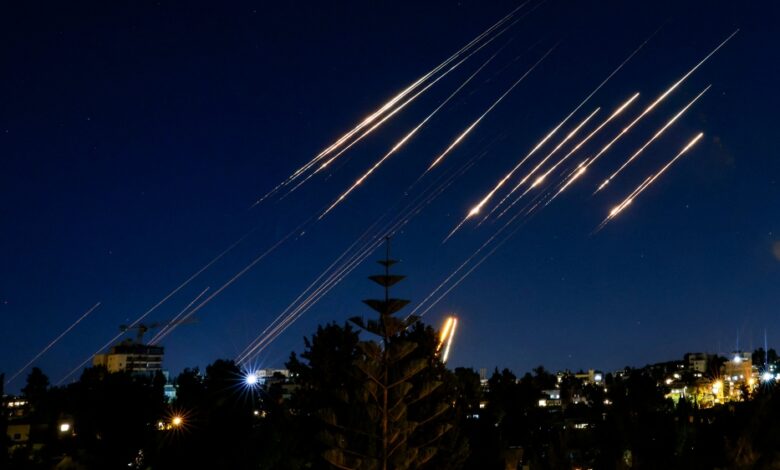
In a new escalation of tensions between Washington and Tehran, the Iranian mission to the United Nations issued a firm statement in response to recent remarks by US President Donald Trump. The mission asserted that any US military attack against Iranian territory would be met with an “unprecedented response,” directly addressing Trump’s warnings that “time is running out” for the Islamic Republic to reach an agreement or face consequences.
The Iranian diplomatic mission stated in an official statement published on its “X” platform (formerly Twitter) that Tehran remains open to the diplomatic track, noting that “Iran is ready for dialogue based on respect and mutual interests.” However, the statement emphasized that this desire for dialogue does not signify weakness, adding: “But if Iran is pushed into confrontation, it will defend itself and respond in an unprecedented manner,” a clear reference to the readiness of the Iranian armed forces for military escalation scenarios.
The context of the historical tension between Washington and Tehran
This escalation cannot be understood in isolation from the complex historical background of US-Iranian relations. Since the United States unilaterally withdrew from the nuclear agreement (the Joint Comprehensive Plan of Action) in 2018, Washington has pursued a policy of “maximum pressure,” which included imposing crippling economic sanctions on Tehran to force it to renegotiate its nuclear and missile programs and its regional influence. In response, Tehran has maintained its refusal to negotiate under duress and has increased its uranium enrichment levels as a countermeasure.
Implications of the “unprecedented response” and its regional impact
The use of the term “unprecedented response” carries serious military and strategic implications in the lexicon of Middle Eastern conflict. Observers believe Tehran is alluding to its advanced missile capabilities and extensive network of influence in the region. Any direct military confrontation between the two sides would not only affect the two countries themselves, but could also impact maritime security in the Strait of Hormuz, a vital artery for global oil supplies, potentially leading to dramatic increases in energy prices and threatening the stability of the global economy.
These developments come at a sensitive time for the Middle East region, where international fears are growing that the various parties may slide into an open war whose consequences could be difficult to control, making calls for calm and a return to the negotiating table, conditional on mutual respect, the best option to avoid disaster.