Iran and the Strait of Hormuz: The repercussions of closing the world's oil artery
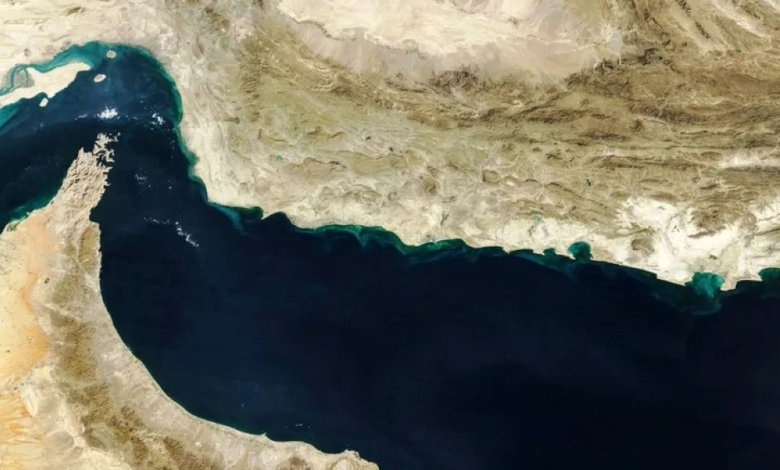
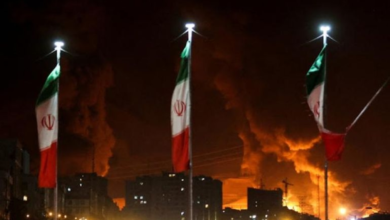
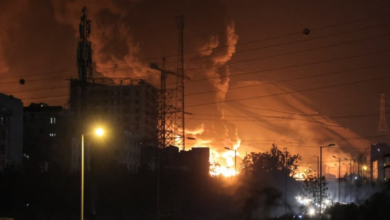
In an escalating move that is alarming global markets, media reports indicate that Iran's Revolutionary Guard has announced the closure of the Strait of Hormuz, the vital waterway that is a crucial artery for global oil trade. The United Kingdom Maritime Trade Operations (UKMTO) confirmed receiving notifications of this, further increasing uncertainty in one of the world's busiest and most important shipping lanes.
The strategic importance of the Strait of Hormuz
The Strait of Hormuz holds unparalleled strategic importance, connecting the Persian Gulf, the Gulf of Oman, and the Arabian Sea. Nearly one-fifth of the world's daily oil consumption passes through it, along with enormous quantities of liquefied natural gas, particularly from Qatar. Major economies such as China, Japan, India, and South Korea rely heavily on supplies transiting this narrow waterway, which, at its narrowest point, is only 21 nautical miles wide, making it a highly sensitive geopolitical and economic chokepoint. Any disruption to navigation through it would directly disrupt global energy supplies.
Historical background of recurring threats
Iranian threats to close the Strait of Hormuz are not new; rather, they constitute a political and military pressure tactic that Tehran has repeatedly used in its confrontations with the United States and Western countries, particularly when economic sanctions were imposed. The roots of these threats can be traced back to the Iran-Iraq War in the 1980s, known as the "Tanker War." Since then, brandishing the threat of closing the strait has become part of Iran's military doctrine for responding to any potential pressure or attacks, leveraging its strategic geographical location overlooking the waterway.
Potential economic and political repercussions
Any disruption to navigation in the Strait of Hormuz, even a brief one, would send shockwaves through global energy markets. Oil prices are expected to rise sharply, negatively impacting a global economy still recovering from successive crises. Regionally, Gulf oil exporters such as Saudi Arabia, the UAE, Kuwait, and Iraq, which rely on the strait for the bulk of their oil exports, would be directly affected. Internationally, such an action could provoke a strong response from major powers, particularly the United States, which considers freedom of navigation in international waters a red line, thus raising the possibility of a large-scale military confrontation.
In light of these developments, the world is watching with great concern the repercussions of this announcement, as the closure of the Strait of Hormuz represents a catastrophic scenario for the global economy and could ignite a regional conflict with international dimensions. The coming days will be crucial in determining whether these threats will materialize or remain within the realm of psychological warfare and political pressure.