Iran requests an emergency meeting of the IAEA regarding its nuclear program
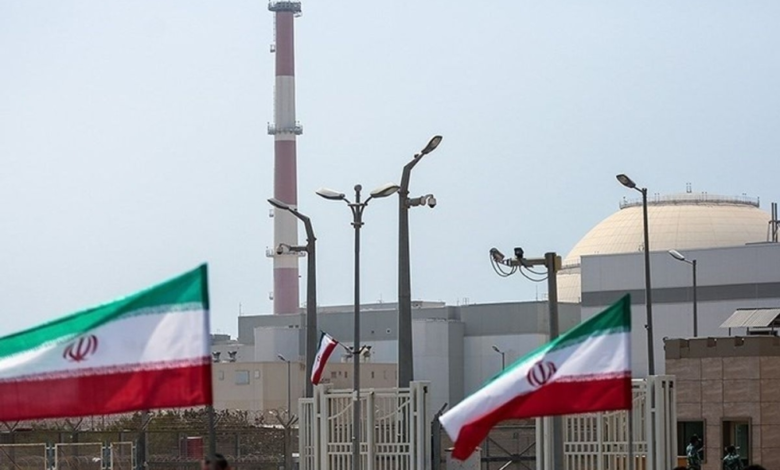
In a notable diplomatic move, Iran called for an emergency meeting of the Board of Governors of the International Atomic Energy Agency (IAEA) to discuss what it described as "baseless allegations" and threats made by the United States and Israel against its nuclear program. The Iranian mission to the IAEA in Vienna asserted that these allegations are being used as a pretext for a potential military strike against its peaceful nuclear facilities.
Historical background and context of tension
This request comes amid long-standing tensions surrounding Iran's nuclear program. For decades, Iran's nuclear program has worried Western powers and Israel, who suspect Tehran of seeking to develop nuclear weapons—a claim Iran consistently denies, asserting the peaceful nature of its activities. These tensions reached a peak in 2015 with the signing of the Joint Comprehensive Plan of Action (JCPOA), also known as the Iran nuclear deal, between Iran and the P5+1 group (the United States, Britain, France, Russia, China, and Germany). Under this agreement, Iran agreed to strict limits on its nuclear program in exchange for the lifting of international economic sanctions.
But the unilateral US withdrawal from the agreement in 2018 under President Donald Trump, and the reimposition of harsh sanctions, prompted Iran to gradually backtrack on its commitments under the agreement, as it increased its uranium enrichment levels and expanded its stockpile, raising concerns from the International Atomic Energy Agency, which has repeatedly warned of a loss of “continuity of access” to nuclear materials and activities in Iran.
The importance of the Iranian move and its expected impact
Iran's call for an emergency meeting is a preemptive attempt to shift the battle to the international diplomatic arena, moving the discussion from its compliance with the nuclear agreement to what it considers "acts of aggression and illegitimate threats" by its adversaries. Domestically, this move aims to rally internal support and project a firm stance against external pressures.
Regionally, this invitation exacerbates polarization in the Middle East, particularly given the ongoing “shadow war” between Iran and Israel. Internationally, it presents the International Atomic Energy Agency (IAEA) and its Board of Governors with a difficult test. The meeting could result in a condemnation of the threats against Iran, or it could become a platform for further criticism of Tehran for its lack of full cooperation with IAEA inspectors. The outcome of this meeting, if it takes place, will have direct repercussions for the future of the stalled diplomatic efforts to revive the nuclear agreement and could affect regional stability and global energy markets.
The Iranian mission attached to its post on the “X” platform a copy of the official letter addressed to the Director General of the Agency, Rafael Grossi, demanding that the Council “immediately address these baseless allegations, malicious threats, and illegal acts of aggression against Iran’s peaceful nuclear program.”.