Iran reopens schools after protests and a UN Security Council meeting
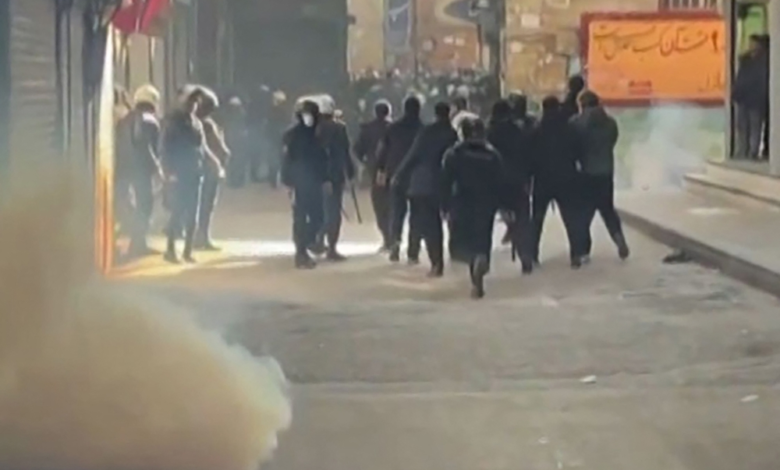
Iranian authorities have officially announced the reopening of schools and educational institutions in the capital, Tehran, and several other cities, starting Sunday, after a closure that began on January 10. This forced closure came in response to widespread protests across the country, which necessitated the suspension of classes in many educational facilities to maintain public order, according to the Iranian news agency ISNA.
In a related context concerning the educational process, the official agency explained that the exam schedules in major Iranian universities have been subject to necessary modifications; it was decided to resume the exams that were postponed due to the recent demonstrations and unrest, to start again from the twenty-fourth of January, in an attempt by the authorities to return academic life to its normal course.
International actions and the Security Council
The repercussions of internal events in Iran were not confined to the domestic sphere but extended to the halls of international diplomacy. The UN Security Council convened an emergency meeting dedicated to discussing developments in Iran, in response to a formal request from the United States. The meeting, which included all fifteen member states, addressed the situation under the agenda item "The Situation in the Middle East," reflecting the strategic importance the international community attaches to the stability of this vital region.
During the Security Council session, the United Nations stressed its firm position calling for de-escalation, emphasizing that diplomatic means and constructive dialogue are the best way to address all concerns and issues related to the Iranian file, away from escalation that could harm regional security and peace.
Background of events and their effects
These developments come within the context of a complex landscape in Iran, where popular protests are often linked to economic and social demands, or objections to specific policies. Observers note that the decision to close schools and universities was not merely an administrative measure, but rather an indication of the scale of the security challenges the authorities faced last week, given that educational institutions, particularly universities, have been vital centers of student and political activism in contemporary Iranian history.
The reopening of schools carries significant political implications, as the Iranian government seeks to reassure both domestic and international audiences that the situation is under control and that the state is capable of restoring public order and managing citizens' daily lives despite the pressures. However, international scrutiny remains paramount, particularly given the UN's ongoing monitoring of human rights and freedom of expression in the country, and the impact of continued economic sanctions on the livelihoods of Iranian citizens, which serves as a constant source of potential popular unrest.