Iran responds to US missile accusations, calling them lies
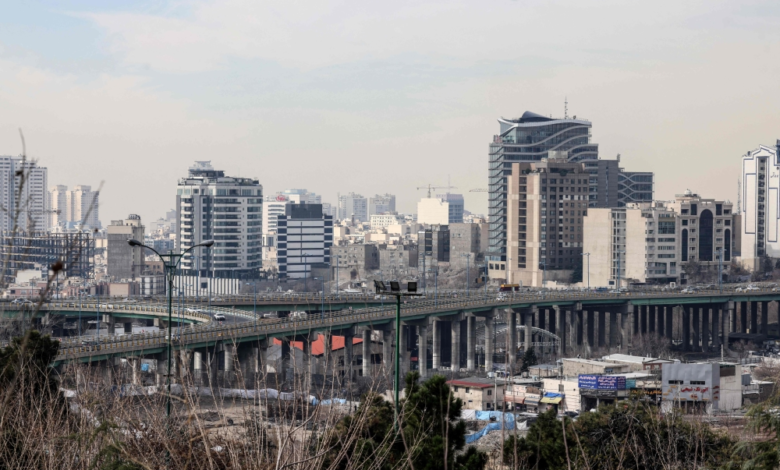
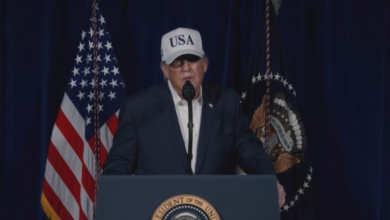
In a new escalation of rhetoric between Tehran and Washington, the Iranian Foreign Ministry vehemently rejected US accusations regarding its missile program, describing them as “big lies.” This decisive response came just hours after former US President Donald Trump, in his State of the Union address, accused Iran of seeking to develop ballistic missiles capable of reaching US territory, reflecting the depth of the disagreement between the two countries over Iran’s military capabilities.
Historical background of tension and the nuclear agreement
This diplomatic dispute cannot be understood in isolation from its complex historical context, which dates back decades of hostility since the 1979 Iranian Revolution. The most recent turning point was the United States’ withdrawal in 2018 from the Joint Comprehensive Plan of Action (JCPOA), commonly known as the 2015 Iran nuclear deal. This hard-won agreement between Iran and the P5+1 group of world powers aimed to curb Iran’s nuclear program in exchange for lifting economic sanctions. However, the Trump administration deemed the agreement insufficient because it did not address Iran’s ballistic missile program or its regional influence, paving the way for a “maximum pressure” campaign that reimposed sanctions and exacerbated tensions.
The ballistic missile controversy and its regional impact
Iran’s ballistic missile program has long been a major concern for the United States and its allies in the Middle East, particularly Israel and Saudi Arabia. These countries view Iranian missiles as a direct threat to their national security. Washington bases its position on the fact that the development of these missiles violates the spirit of UN Security Council Resolution 2231, which calls on Iran to refrain from any activity related to missiles designed to carry nuclear warheads. Iran, for its part, consistently maintains that its missile program is purely defensive in nature and a non-negotiable sovereign right to ensure its national security, emphasizing that its missiles are not designed to carry nuclear weapons.
International repercussions and an uncertain future
The war of words between the two countries transcends mere media statements, reflecting a tense geopolitical reality. Regionally, this tension increases the risk of military confrontation, whether direct or through proxies in conflict zones across the Middle East. Former Iranian officials have stated that any US attack would be met with a response targeting American bases throughout the region. Internationally, the dispute has strained relations between the United States and its European allies, who have been trying to salvage the nuclear agreement. This escalation also casts a shadow over the stability of global energy markets, given the strategic importance of the Strait of Hormuz. Against this backdrop, the dispute over Iran's military and nuclear programs remains a thorny issue, posing a significant challenge to international diplomacy and global efforts to prevent nuclear proliferation.