Iran: We will not stop uranium enrichment even if it means war – details of the Muscat talks
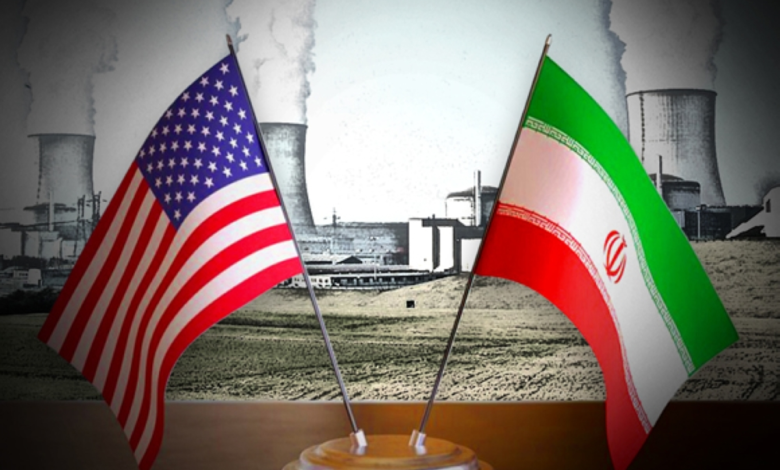
Iranian Foreign Minister Abbas Araqchi, in fiery remarks reflecting Tehran's commitment to its nuclear program, asserted that his country would not relinquish its right to uranium enrichment under any circumstances, even if it meant facing war. These statements came on Sunday, following a round of indirect and sensitive talks with the United States hosted by the Omani capital, Muscat, which addressed ways to de-escalate tensions and the future of the nuclear issue.
Details of the talks in Muscat
During his participation in a forum in Tehran, Araqchi explained that the latest round of talks, held on Friday in Muscat, included a meeting with US envoy Steve Wittkopf. While no precise date was set for the next round, both sides agreed on the necessity of continuing dialogue in the near future. The Iranian minister, expressing his disapproval of Western pressure, asked: “Why do we insist so vehemently on uranium enrichment and refuse to abandon it even if war is imposed upon us? Because no one has the right to dictate our actions.”.
The high price of the nuclear program
The Iranian foreign minister noted that Tehran had paid a “heavy price” to maintain its peaceful nuclear program and enrichment capabilities, a clear reference to the harsh economic sanctions imposed on the country for many years. These remarks underscore that Iran considers enrichment a matter of national sovereignty and a red line that cannot be crossed in any future negotiations, regardless of military or economic threats.
Background of the nuclear conflict and its regional impact
To understand the depth of these statements, one must consider the historical context of the crisis. Since the United States’ unilateral withdrawal from the nuclear agreement (the Joint Comprehensive Plan of Action) in 2018, tensions have escalated to unprecedented levels. Tehran has gradually abandoned its nuclear commitments and increased uranium enrichment to near-military-grade levels, alarming the international community, particularly Western powers and Israel.
The Sultanate of Oman has historically played a pivotal role as a trusted mediator between Tehran and Washington, having hosted several rounds of talks that paved the way for the 2015 nuclear agreement. The current talks are of paramount importance given the escalating tensions in the Middle East, as the international community seeks to prevent the opening of a new front of conflict that could be catastrophic if it takes on a nuclear dimension.
The future of diplomacy amid threats
Despite the hardline tone of Araqchi's statements, the continued communication channels through Muscat indicate a desire on both sides to avoid direct confrontation. Observers believe that Iran's insistence on enrichment is a powerful bargaining chip aimed at improving the terms of any future agreement and lifting sanctions, while simultaneously demonstrating to both the Iranian public and the international community that the "maximum pressure" policy has failed to deter Tehran from its strategic ambitions.