Two killed in Iran protests: Erdogan clashes escalate tensions
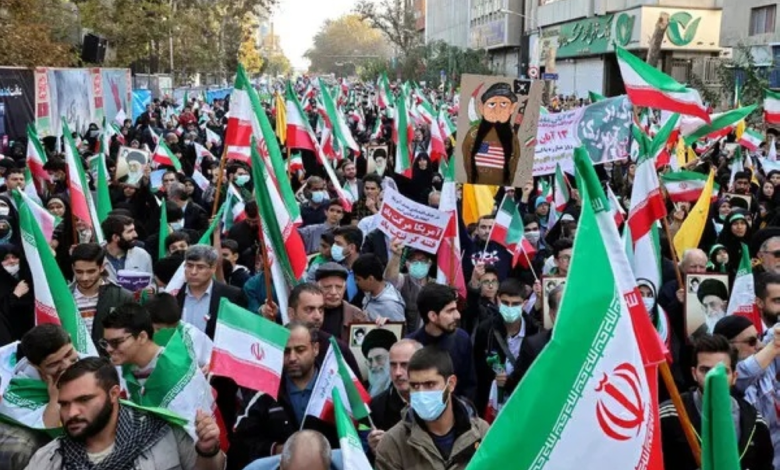
The recent protests in Iran have taken a dangerous turn, with two people killed in violent clashes between demonstrators and security forces in the southwestern city of Lordegan. This incident marks a turning point in the wave of protests that began last Sunday, representing the first official record of civilian casualties since the start of the current movement.
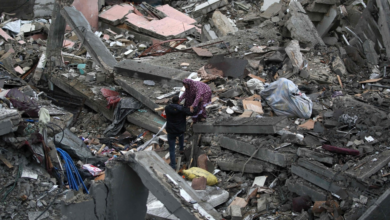
According to the semi-official Iranian news agency Fars, the death toll has risen to two in the city of Chaharmahal and Bakhtiari province. The agency reported that the clashes were extremely violent, accusing protesters of attacking government and official buildings and causing significant material damage, which prompted security forces to intervene and restore order.
Context of events and escalation of violence
These events come at a time of widespread public discontent in several regions of Iran, with the southern and southwestern provinces often being hotspots for protests due to the economic and service-related challenges they face. Observers of Iranian affairs note that the deaths in the early days of any protest movement often fuel public anger, transforming demands related to living conditions or specific groups into more intense political slogans against the regime.
Historical background of the protests in Iran
Historically, Iran has faced successive waves of protests over the past decade, with causes ranging from objections to fuel price hikes and water shortages to demands for social and political freedoms. In most of these cases, security forces have adopted a heavy-handed approach to dealing with demonstrations targeting government buildings, often resulting in casualties on both sides. The city of Lordegan and its surrounding areas have witnessed previous tensions, reflecting the depth of the crisis between the central government and the periphery in Iran's geopolitical landscape.
Potential repercussions and the international stance
The deaths of the first civilians in this wave of protests carry worrying implications for the future of domestic stability in the foreseeable future. Domestically, the funerals of the victims could trigger new and wider demonstrations, a dynamic that has played out in previous protests. Internationally, human rights organizations and the international community are closely monitoring Tehran's handling of the protesters, particularly in light of the economic sanctions imposed on the country, which further complicate the internal situation.
With the partial media blackout continuing and independent information from inside Iranian cities remaining difficult to obtain, the official narrative provided by agencies such as Fars remains the primary source of information, bearing in mind that describing the protesters as "rioters" is part of the usual official media discourse to justify firm security intervention.