Iran protests: 27 killed and widespread security crackdown on demonstrators
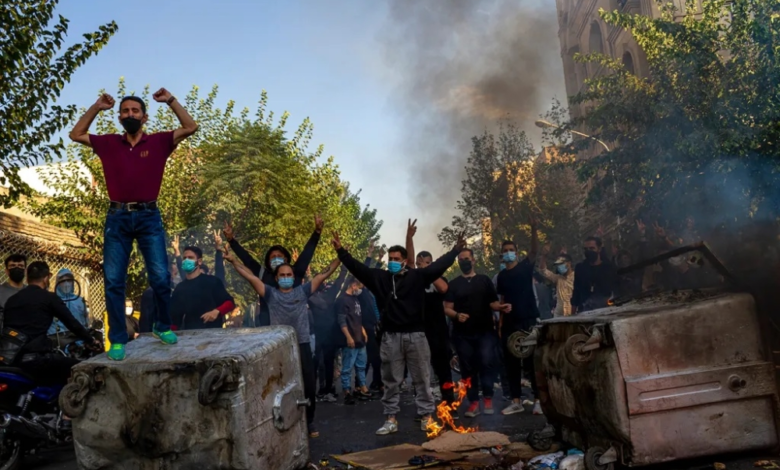
In a dangerous escalation of the situation on the ground in Iran, credible human rights reports indicate that at least 27 protesters, including five children, have been killed following a violent crackdown by Iranian security forces against the popular protests that erupted in late December. Iran Human Rights confirmed on Tuesday that security forces resorted to excessive force, including live ammunition and tear gas, to disperse angry crowds in several areas, most notably Tehran's Grand Bazaar.
Details of the security crackdown and targeting of hospitals
Ten days after the protests began, the human rights organization revealed that the victims were killed by direct gunshot wounds and other forms of systematic violence in eight different provinces. In a horrific incident on Saturday in Malekshahi County, Ilam Province, in western Iran, security forces opened fire directly on protesters, killing at least six people.
The crackdown didn't stop at dispersing demonstrations; violations extended to medical institutions. Reports documented a raid by security forces on a hospital in Ilam on Sunday, which had received those injured in the Malekshahi events. The forces arrested a number of wounded individuals and protesters from within the hospital, a move that sparked widespread condemnation from human rights organizations. Statistics indicate that the arrest campaign has targeted more than 1,000 people so far.
The expansion of the protests and their implications
This wave of protests witnessed a remarkable geographical expansion, spreading to 26 out of Iran's 31 provinces, indicating the scale and nationwide nature of the popular anger, which was not confined to the capital or major cities. The student sector also became heavily involved in the movement, with demonstrations organized at more than 20 universities, reflecting the participation of young and academic elites in demanding change.
General context and historical background
These protests are part of a series of periodic disturbances in Iran, often fueled by a combination of crippling economic crises, soaring inflation, and political and social demands related to civil liberties. Student and popular protests in Iran have long posed a significant challenge to the authorities, who typically respond with a heavy-handed security crackdown, resulting in casualties and strained relations with the international community.
Expected impact and international stance
This violence is expected to cast a long shadow over Iran’s domestic political landscape, as the deaths, particularly of children, fuel anger and strengthen the resolve of protesters. Internationally, Tehran frequently faces sharp criticism from UN organizations and Western countries for its human rights record and its violent crackdown on peaceful demonstrations. Continued violence could lead to further diplomatic isolation for Tehran and potential human rights sanctions, at a time when the country is already grappling with complex economic and regional challenges.