Iran vows to retaliate for Khamenei's assassination and accuses America and Israel
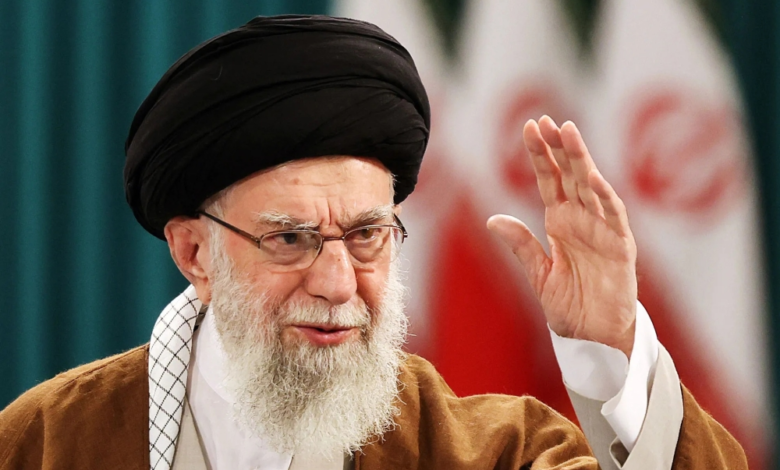
Tehran accuses America and Israel and vows a harsh response
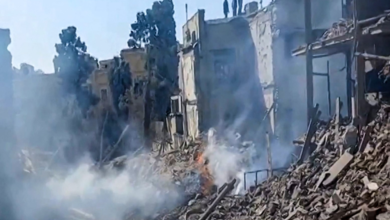
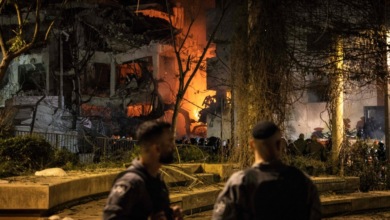
In its first official response, the Iranian government issued a strongly worded statement on Sunday following reports confirmed by state television that Supreme Leader Ali Khamenei had been killed at his residence. The statement held the United States and Israel fully responsible for the attack, describing it as a “heinous crime and injustice that will not go unpunished.” Tehran vowed to overcome this ordeal and to eliminate what it called “American and Israeli injustice.”.
For its part, the Iranian Revolutionary Guard issued a parallel statement asserting that “America and Israel have violated all international laws” with this act, vowing a crushing retaliation. This escalation comes after the Iranian National Security Council officially confirmed Khamenei’s death, opening the door to a new phase of uncertainty in the Middle East.
Who is Ali Khamenei? Historical context
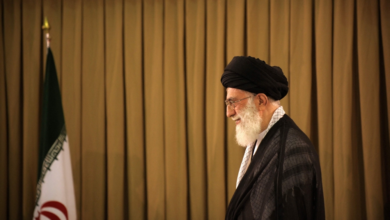
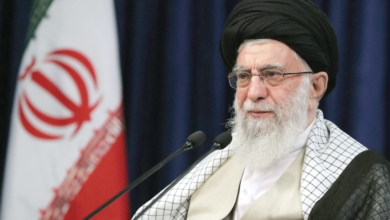
Ayatollah Ali Khamenei, who has served as Supreme Leader since the death of Ayatollah Khomeini in 1989, has been the most influential figure in Iran for the past three decades. As commander-in-chief of the armed forces and the head of the religious and political power structure, he has had the final say on all major state affairs, including foreign policy, the nuclear program, and military decisions. Khamenei began his career as one of Khomeini’s most prominent disciples and a key activist in the 1979 Islamic Revolution. Before becoming Supreme Leader, he served two consecutive terms as president from 1981 to 1989. His assassination not only marks the end of an era but also poses an existential challenge to the regime regarding the succession process and the maintenance of state stability.
The importance and expected impacts of the event
The killing of Iran’s Supreme Leader represents a political earthquake that will send shockwaves not only within Iran, but throughout the Middle East and the world.
- Domestically, the event will trigger a complex process for the Assembly of Experts to select a successor. Intense power struggles are expected between different factions within the regime, particularly between the Islamic Revolutionary Guard Corps (IRGC), which has significantly increased its economic and political influence under Khamenei, and the traditional religious establishment. A power vacuum could lead to a period of internal instability.
- Regionally, this event is likely to lead to a significant escalation of regional tensions. Iran, which supports a wide network of allies and armed groups in countries such as Lebanon, Syria, Iraq, and Yemen, may activate these networks to retaliate against the attack, threatening to ignite wider confrontations.
- Internationally, the world will be watching with great concern Iran's reaction and its impact on global oil markets and vital shipping lanes such as the Strait of Hormuz. The incident will also further complicate diplomatic efforts regarding Iran's nuclear program and could push the region to the brink of direct military confrontation between Iran and its adversaries.