The truth about the death of Iranian Supreme Leader Ali Khamenei and its potential impact
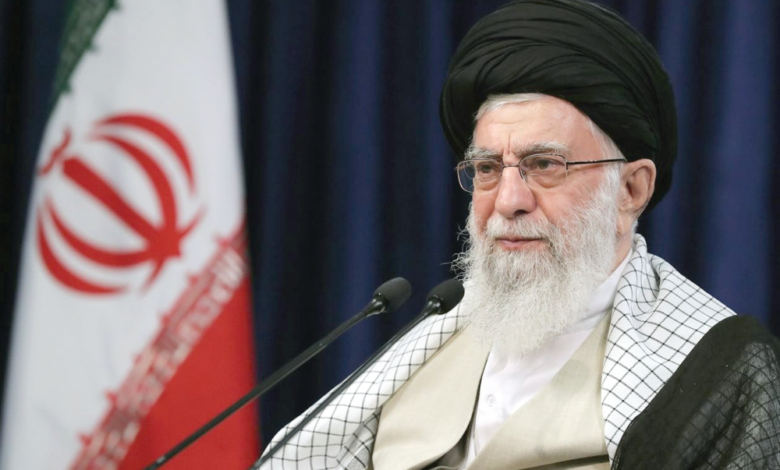
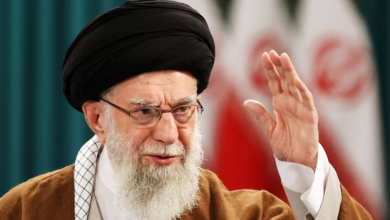
Some media outlets and social media platforms have circulated unconfirmed reports claiming the death of the Supreme Leader of the Islamic Republic of Iran, Ayatollah Ali Khamenei. Despite the widespread dissemination of these reports, no official confirmation has been issued by reliable Iranian sources such as state television or the Iranian News Agency (IRNA), thus classifying this information as mere rumor until further notice. It is worth noting that rumors about the Supreme Leader's health are not new, having surfaced repeatedly over the years, particularly given his advanced age and the sensitive nature of his position.
Who is Ali Khamenei? Historical context
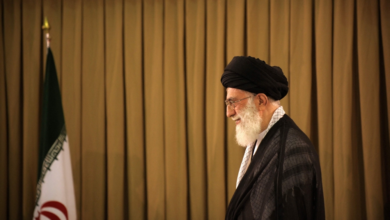
Ali Khamenei, born in 1939, is the second Supreme Leader in the history of the Islamic Republic of Iran. He assumed this position on June 4, 1989, succeeding the founder of the revolution, Ruhollah Khomeini. Prior to this, he served two consecutive terms as president from 1981 to 1989. During his more than three decades in power, Khamenei has had the final say on all major state affairs, including foreign policy, the nuclear program, and military and economic policies. He has significantly strengthened the influence of the Islamic Revolutionary Guard Corps (IRGC), making it the dominant force in the country's political and security landscape.
The importance of the event and the expected impact if it occurs
The absence of a figure of Ali Khamenei's stature from the scene will have profound repercussions at the local, regional, and international levels.
- Domestically, the position of Supreme Leader is the cornerstone of the Iranian regime. His absence would open the door for the Assembly of Experts to select his successor. This process could witness a power struggle between different political factions within the regime, particularly between the traditional conservative camp and the Revolutionary Guard, which seeks to consolidate its grip on power. It could also lead to a period of political uncertainty that the internal opposition might exploit.
- Regionally, Iran plays a pivotal role in many of the Middle East's hotspots, from Syria and Iraq to Lebanon and Yemen. Any change at the top of the power structure in Tehran will be closely watched by neighboring countries and other regional powers. This could lead to a shift in Iran's regional strategy or at least a period of uncertainty that could affect its proxies and allies in the region.
- Internationally, Khamenei's departure will have a direct impact on complex international issues, most notably Iran's nuclear program and strained relations with the United States and Western countries. The future of nuclear negotiations and potential agreements will depend heavily on the identity and political orientation of the new Supreme Leader. The world will be watching to see whether the new leadership adopts a more conciliatory or more hardline approach on the international stage.
In conclusion, the news of Ali Khamenei's death remains within the realm of rumors lacking credible evidence. However, the mere circulation of such news underscores the strategic importance of this position and the considerable anticipation surrounding the potential political future of Iran and the entire region.