Iran launches 3 satellites from Russia with artificial intelligence technologies
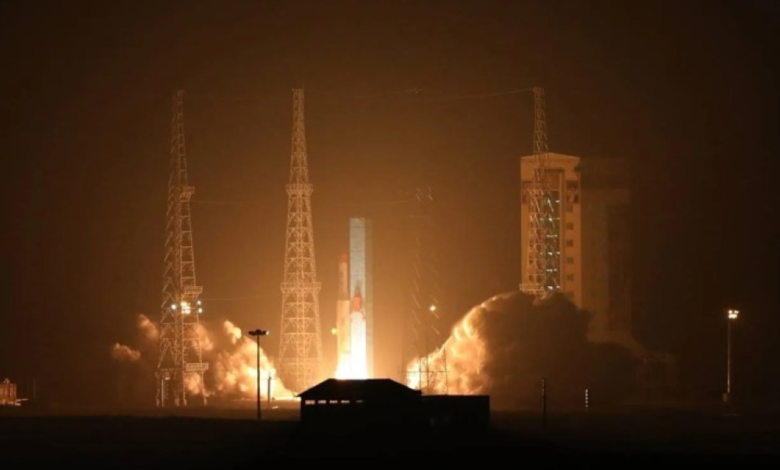
In a move reflecting the depth of strategic cooperation between Tehran and Moscow, Iran successfully launched three domestically manufactured observation satellites using a Russian Soyuz rocket from the Vostochny Cosmodrome. This operation represents another milestone in the development of Iran's space program, which continues to advance despite stringent Western sanctions imposed on the country.
Details of the new satellites
Iranian state television reported that the three satellites launched were named Zafar-2, Paya, and Kowsar 1.5. These satellites were placed in orbit 500 kilometers above the Earth's surface, with a lifespan of three to five years. The constellation is technologically advanced, with Paya being the most sophisticated, weighing 150 kilograms.
The Islamic Republic News Agency (IRNA) noted that the “Bayya” satellite utilizes artificial intelligence technologies to enhance the accuracy of captured images, making it an effective tool in vital areas such as water resource management, environmental monitoring, and high-resolution mapping. This achievement is attributed to the Iranian private sector, which designed these surveillance satellites.
Space cooperation between Tehran and Moscow
The Russian Soyuz launch vehicle was chosen for this mission because it is one of the most reliable rockets in the world for transporting sensitive payloads. This renewed launch from Russian soil, following another in July, reflects the strength of relations between the two countries in the face of international pressure. Iran also conducted a simultaneous launch of three other satellites at the end of 2024 using its domestically produced Simorgh rocket, demonstrating Tehran's diverse launch options, which include both domestic capabilities and international partnerships.
Western concerns and geopolitical dimensions
The accelerating pace of Iran's space program is causing widespread concern among Western countries, particularly the United States and European nations. These concerns center on the potential for satellite launch technology to be used to develop long-range ballistic missiles capable of carrying warheads, including nuclear ones.
While Tehran consistently maintains that its space activities are entirely peaceful and in accordance with UN Security Council resolutions, the West views these operations as a cover for developing missile capabilities. This event provides further evidence of Iran's determination to advance its space and military infrastructure, leveraging its regional and international alliances to break its isolation.