The future of the nuclear agreement: crucial talks between Iran and the IAEA
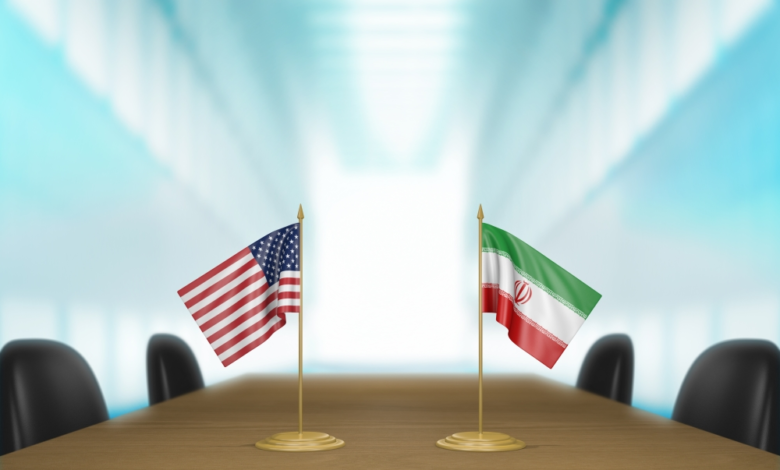
In a move reflecting the growing importance of diplomacy, Iranian Deputy Foreign Minister Abbas Araqchi held a telephone conversation with the Director General of the International Atomic Energy Agency (IAEA), Rafael Grossi, to discuss the latest developments in the ongoing nuclear negotiations between Tehran and Washington. During the talks, both sides emphasized the necessity of maintaining constructive dialogue as the only way to advance the negotiation process and reach a lasting understanding that would revive the landmark nuclear agreement.
Historical background: From agreement to the brink of collapse
These negotiations trace their roots to the Joint Comprehensive Plan of Action (JCPOA), commonly known as the Iran nuclear deal, signed in 2015 between Iran and the P5+1 group of nations (the United States, Britain, France, Russia, China, and Germany). The agreement stipulated significant restrictions on Iran's nuclear program to ensure its peaceful nature, in exchange for the lifting of international economic sanctions imposed on Tehran. The International Atomic Energy Agency (IAEA) played a pivotal role in verifying Iran's compliance with the agreement's terms through rigorous and ongoing inspections and monitoring.
However, this delicate balance collapsed in 2018 when former US President Donald Trump unilaterally withdrew his country from the agreement and reimposed harsh economic sanctions as part of his “maximum pressure” campaign. In response, Iran began gradually reducing its compliance with its nuclear commitments, increasing both the levels and quantities of uranium enrichment, which sparked widespread international concern and brought the specter of a nuclear crisis back to the forefront.
The importance of negotiations and their expected impact
The current rounds of negotiations, which aim for a simultaneous return of both Washington and Tehran to full compliance with the agreement, are of paramount strategic importance on all levels:
- On the international level, the success of the negotiations represents a victory for multilateral diplomacy and strengthens the global nuclear non-proliferation regime. It will also lead to the stabilization of global energy markets through the full resumption of Iranian oil exports and reduce tensions between major powers.
- Regionally, reviving the agreement could help defuse tensions in the Middle East, particularly between Iran, the Gulf states, and Israel. It could also pave the way for broader regional dialogue to address other security issues, thereby promoting stability in one of the world's most volatile regions.
- On the Iranian domestic front: Lifting the sanctions will lead to a long-awaited economic recovery, easing the cost-of-living pressures on Iranian citizens, and may strengthen the position of the moderate faction within Iran that supports diplomatic openness.
The role of the International Atomic Energy Agency remains crucial at this stage, as its technical and impartial reports form the basis upon which mutual trust between all parties will be built to ensure the sustainability of any agreement reached.