Gold discovered in Iran: Huge reserves at the Shadan mine
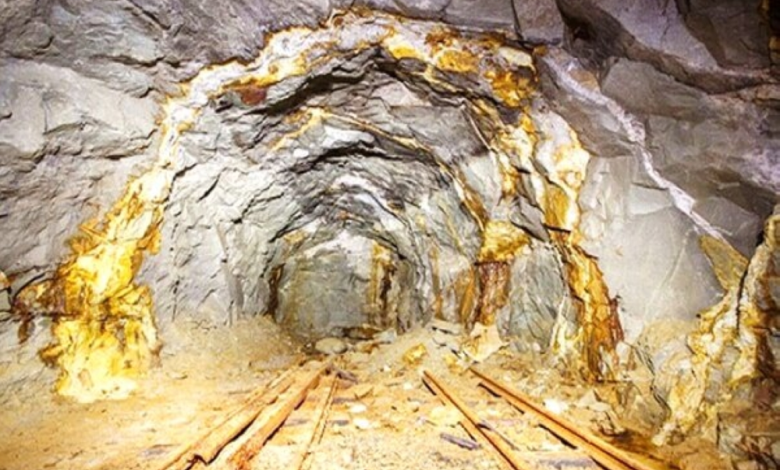
In a move that marks a significant turning point for the Middle East's mining sector, Iranian authorities have officially announced the discovery of a massive gold deposit at the Shadan mine, located in the heart of South Khorasan province. This discovery is not merely a new record in the mining sector, but reflects Tehran's strategic direction toward maximizing the exploitation of its mineral resources as a vital alternative to its dwindling oil revenues.
Discovery details and precise technical figures
The Iranian Ministry of Industry, Mines and Trade announced that recent geological data has confirmed the existence of a new mineral vein, significantly increasing the economic value of the privately operated mine. According to documented technical reports, the discovered reserves exceed 60 million tons, divided as follows:
- 7.95 million tons of gold oxide ore, which is the most preferred type for investors due to its low processing costs and the ease of extracting the yellow metal from it.
- 53.1 million tons of sulfide gold ore, ensuring the sustainability of production at the mine for many years to come.
Geographical context and Iran's position in the mining market
Iran enjoys a prime geological location on the global mineral belt, and South Khorasan province is one of the richest mineral-rich regions on the Iranian plateau. The Shadan discovery strengthens the national mining network, which includes approximately 15 active gold mines, most notably the Zarshuran mine in Takab (northwest), dubbed the "gold giant of the Middle East." This expansion of discoveries supports the country's plans to increase its annual gold production in an effort to compete with regional and international producers.
Gold as a strategic shield against sanctions
This event takes on paramount importance when viewed in the context of international economic sanctions imposed on Tehran. With severe restrictions on oil exports and banking transactions via the SWIFT system, gold becomes an indispensable strategic asset. Tehran pursues a policy of “resistance economy” based on resource diversification, using gold as a financial hedge and a potential means of settling international trade transactions through barter, circumventing the control of the US dollar.
Iran has significantly boosted its gold reserves, with ISNA news agency reports and statements by Central Bank Governor Mohammad Reza Farzin indicating that Iran was among the top 5 gold-buying central banks globally between 2023 and 2024, reflecting a proactive vision to strengthen the economy.
Safe haven for citizens and local market impacts
On the domestic socio-economic front, this discovery offers a glimmer of hope amidst inflationary pressures and the devaluation of the national currency. With the dollar and euro reaching record highs against the Iranian rial on the parallel market, citizens and investors are turning to gold as a safe haven to preserve the value of their savings. The increased domestic supply of raw gold is expected to contribute to relative market stability, as well as create hundreds of direct and indirect jobs in remote eastern regions, thus supporting local development in those provinces.