Iran denies rumors of senior military commanders being killed in attacks
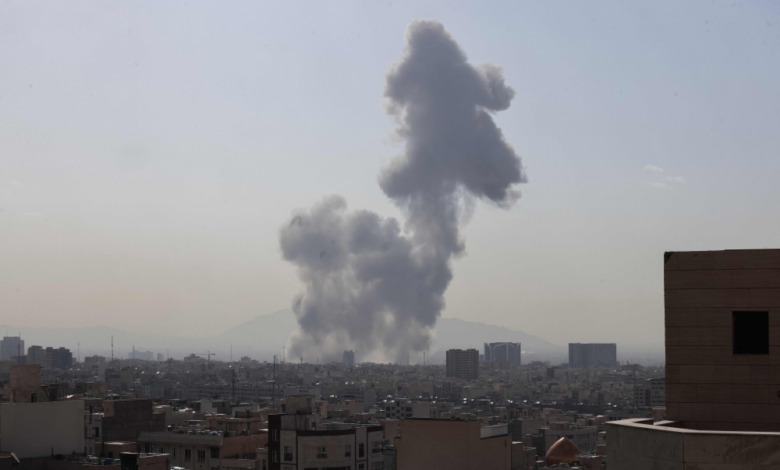
Iranian Deputy Foreign Minister Abbas Araqchi downplayed reports of the killing of the defense minister and a senior commander in the Iranian Revolutionary Guard, stressing that the situation in the country is under complete control and that all officials are safe and alive.
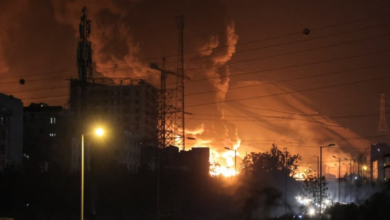
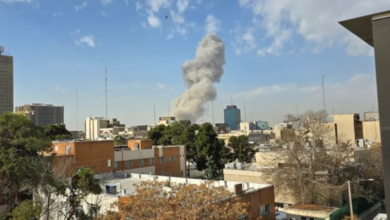
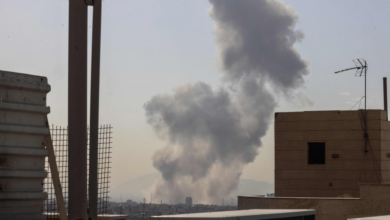
Araghchi's statement came in response to rumors circulating in the media and reported by Reuters, claiming that Iranian Defense Minister and Revolutionary Guard Ground Forces Commander Mohammad Pakpour had been killed in attacks attributed to Israel. In an attempt to allay fears and project strength, Araghchi said, "Iran may have lost one or two commanders, but losing commanders is not a problem," emphasizing that the country's command structure is robust and capable of handling any contingency.
A context of tension and shadow war
These rumors come amid escalating tensions between Iran and its regional and international adversaries, most notably Israel and the United States. For years, these parties have engaged in a “shadow war” encompassing cyber operations, attacks on commercial vessels, and assassinations of prominent Iranian figures, particularly in the nuclear and military sectors. This environment has created fertile ground for the spread of disinformation and rumors aimed at destabilizing Iran internally and undermining the morale of its armed forces.
The assassination of Qassem Soleimani, the former commander of the Quds Force, in a US drone strike in Baghdad in 2020, is the most prominent example of the targeting of high-ranking Iranian leaders. This incident reinforced the notion that senior Iranian military officials are not immune to danger, lending a degree of credibility to any new rumors about the deaths of other commanders in the eyes of some observers.
Importance and potential impacts
Araghchi's statement is part of an Iranian media strategy aimed at controlling the narrative and projecting an image of internal cohesion. Domestically , Tehran seeks to reassure its people that the political and military leadership remains strong and stable, and that the state is capable of protecting its officials and continuing its policies unaffected by such alleged attacks.
Regionally these rumors sends a deterrent message to adversaries, indicating that Iran will not allow information warfare to destabilize it. It also sends a message of support to its allies in the region, such as Hezbollah in Lebanon and the Houthis in Yemen, that the Iranian leadership remains cohesive and capable of effectively managing its regional network of influence.
Internationally , this event reflects the nature of modern conflict, where military operations intertwine with psychological and media warfare. Global powers are closely monitoring these developments to assess the stability of the Iranian regime and its ability to withstand mounting pressure, which impacts diplomatic calculations regarding the Iranian nuclear program and Tehran's role in Middle Eastern security.