Iran denies rumors of the death of the defense minister and a Revolutionary Guard commander
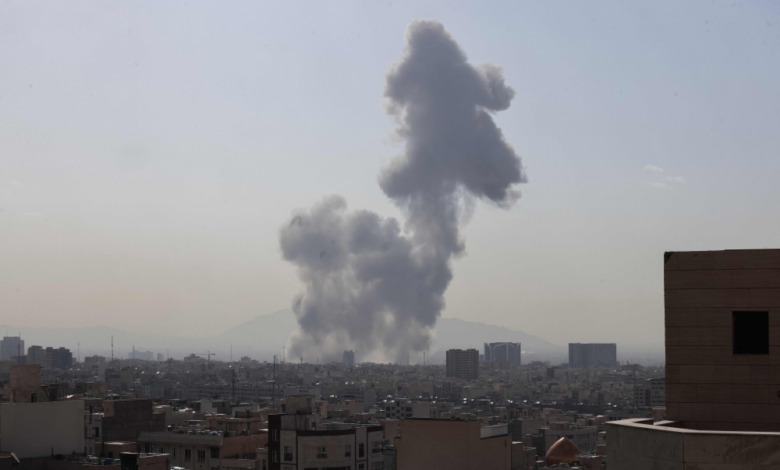
In a statement aimed at quelling growing speculation, Iranian Foreign Minister Abbas Araqchi downplayed reports of the deaths of high-ranking military figures, asserting that the situation in Iran was completely under control. Araqchi stated, "Iran may have lost one or two commanders, but all officials are safe and alive," adding that "the loss of Iranian commanders is not a problem.".
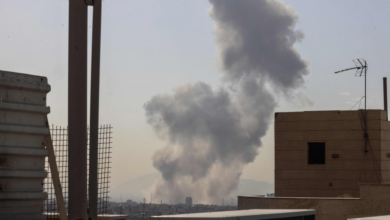
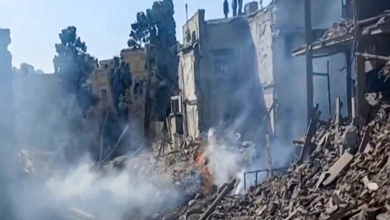
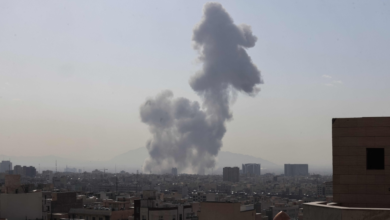
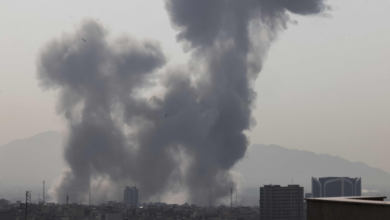
Araghchi's remarks came in response to media reports, citing unnamed sources, that Iranian Defense Minister Amir Hatami and Revolutionary Guard Ground Forces Commander Mohammad Pakpour had been killed in Israeli attacks targeting sites in Syria. Despite official denials, these rumors highlight the heightened tensions in the region, particularly in light of the ongoing "shadow war" between Iran and Israel.
Background of the conflict and ongoing tensions
Whether true or not, this news represents another chapter in a long series of indirect confrontations between Tehran and Tel Aviv. For years, Israel has conducted hundreds of airstrikes inside Syria, targeting what it describes as Iranian military deployments and arms shipments destined for Iran's allies, primarily Hezbollah in Lebanon. This Israeli strategy aims to prevent Iran from establishing a new front against it on its northeastern border and to hinder the transfer of advanced military technology to its proxies in the region.
The importance of the event and its potential impact
Targeting figures of this stature, if confirmed, would represent a dangerous escalation in the conflict. The defense minister and a senior Revolutionary Guard commander are not merely military targets; they represent fundamental pillars of the Iranian military and security establishment. Their deaths would not be simply a tactical loss, but a major strategic and morale blow to the Iranian regime, potentially forcing it to reassess its regional strategy or even retaliate directly and forcefully, thus threatening to ignite a wider regional war.
Regionally, Iran’s allies and adversaries are closely monitoring the situation. Any Iranian response could destabilize countries like Iraq, Lebanon, Syria, and Yemen, where Iran wields considerable influence through its proxies. Internationally, such incidents worry major powers, who fear that escalation could disrupt global oil supplies and draw international actors, such as the United States and Russia, into a wider confrontation in the Middle East. Araqchi’s statements, in this context, are not only intended to reassure the Iranian public but also to send a message to the world that Tehran remains in control and prefers to avoid being drawn into a full-blown war for the time being.