Iran closes universities and advises leaving Tehran amid tensions with Israel
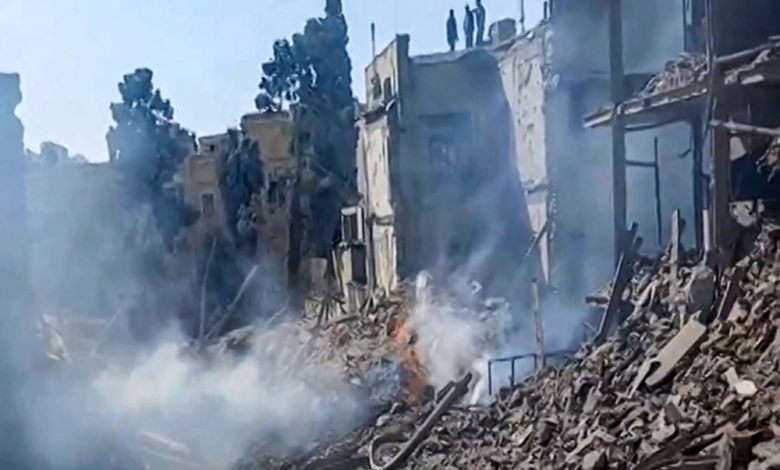
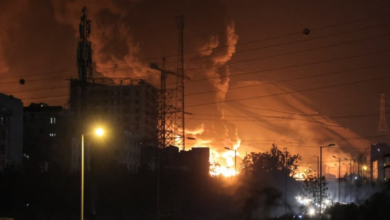
In an extraordinary move reflecting a state of high alert, Iranian authorities announced the closure of all universities nationwide until further notice and urged residents of the capital, Tehran, to prepare to leave. These precautionary measures come amid unprecedented escalation of tensions with Israel and anticipation of a potential military response targeting the Iranian heartland.
Context of the crisis: From shadow war to direct confrontation
These developments were not spontaneous, but rather the culmination of decades of a “shadow war” between Iran and Israel, waged through covert operations, cyberattacks, and targeted killings of Iranian proxies in the region, particularly in Syria and Lebanon. However, the decisive turning point came on April 1, 2024, when an Israeli airstrike targeted the Iranian consulate in Damascus, killing several high-ranking commanders in the Iranian Revolutionary Guard Corps, including General Mohammad Reza Zahedi. Tehran considered this attack a direct assault on its sovereignty and vowed a swift and decisive response.
The Iranian response came about two weeks later, with Tehran launching hundreds of drones, ballistic missiles, and cruise missiles toward Israel in an unprecedented attack launched directly from Iranian territory. Although Israel and its allies, primarily the United States and Britain, claimed to have intercepted the vast majority of the projectiles, the attack itself set a dangerous precedent that altered the rules of engagement in the region.
The importance and expected effects of Iranian actions
The decision to close universities and call on residents of the capital to leave has profound implications on several levels:
- Domestically, these measures reflect the Iranian regime's seriousness in addressing Israeli threats and its readiness for a direct attack on vital infrastructure or even the capital itself. This state of alert is partially paralyzing daily life, disrupting the education of millions of students, and spreading anxiety and anticipation among citizens who find themselves at the heart of a potential military confrontation.
- At the regional level, this move puts the entire Middle East on the brink. Any Israeli attack on Iran could prompt Tehran to activate its network of proxies in the region, such as Hezbollah in Lebanon, the Houthis in Yemen, and armed factions in Iraq and Syria, threatening to ignite a large-scale regional war that would be difficult to contain.
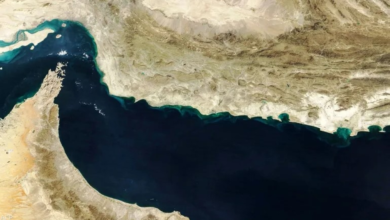
- At the international level, the world is following these developments with great concern due to their implications for global security and the stability of energy markets. International powers, led by the United States, are intensifying their diplomatic efforts to contain the situation and prevent a slide into all-out war. Furthermore, any disruption in the Strait of Hormuz, through which a significant portion of the world's oil passes, could lead to a dramatic price surge and destabilize the global economy.
In conclusion, the actions taken by Tehran represent a clear indication that the region has entered a new and dangerous phase of conflict, where direct confrontation has become an option on the table, and major capitals, including Tehran, are now within the circle of direct danger.