Iran urges Tehran residents to leave amid anticipation of an Israeli response
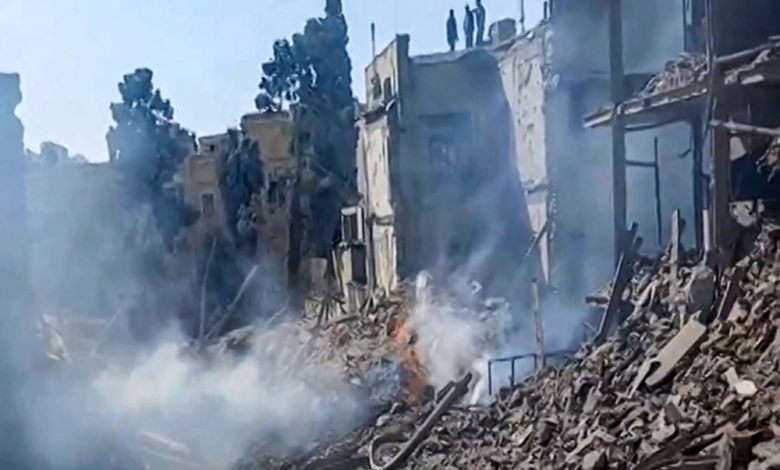
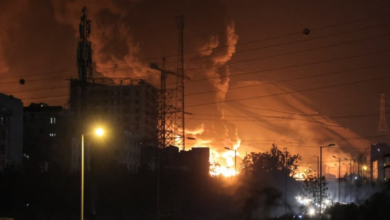
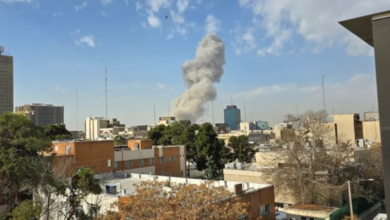
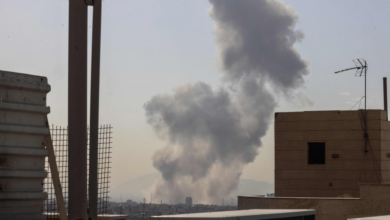
Media reports, citing Al Arabiya, indicate that Iranian authorities have issued a call for residents of the capital, Tehran, to leave the city. This alarming development comes amid an unprecedented escalation of tensions in the Middle East, bringing the region to the brink of a large-scale military confrontation between Iran and Israel.
Background of the tension and its historical context
The roots of the current crisis can be traced back to April 1, 2024, when an Israeli airstrike targeted the Iranian consulate building in the Syrian capital, Damascus. The attack killed several senior commanders of the Iranian Revolutionary Guard Corps, most notably General Mohammad Reza Zahedi, commander of the Quds Force in Syria and Lebanon. Tehran considered the attack a violation of its sovereignty and an attack on its diplomatic territory, and vowed a firm and immediate response.
On the night of April 13, Iran fulfilled its promise to launch a large-scale attack, dubbed “Operation True Promise,” firing hundreds of drones, ballistic missiles, and cruise missiles at targets inside Israel. Although Israel and its allies, primarily the United States and Britain, claimed to have intercepted the vast majority of the projectiles, the attack marked a historic precedent, representing the first direct military attack launched by Iran from its own territory against Israel, thus transforming the conflict from a shadow war into an open confrontation.
The importance of the event and its expected impact
The Iranian authorities' call for residents of their capital to evacuate, if true, carries serious implications and reflects an internal assessment that an Israeli military response is imminent and may target sensitive sites in the heart of Tehran. This measure has significant repercussions on various levels:
- Domestically, this request could trigger panic and anxiety among millions of residents in Tehran, one of the region's largest cities. It could also lead to logistical chaos and gridlock on roads leading out of the capital, paralyzing daily life and reflecting the seriousness with which the Iranian leadership perceives the threat.
- Regionally, this development has raised the alert level across the region. Neighboring countries, particularly the Gulf states, Iraq, and Jordan, are closely monitoring the situation, fearing the conflict could spill over into their territories. Several countries have already announced the closure of their airspace or restrictions on air traffic as a precautionary measure, impacting travel and trade through one of the world's most important air corridors.
- Internationally, this escalation has put the international community on high alert. Calls are growing from global powers, including the United Nations and the G7, for restraint and for avoiding a slide into a devastating regional war that could have dire consequences for global economic stability and energy prices. World capitals are awaiting the Israeli war cabinet's decision on the nature and timing of a potential response, hoping that diplomacy will prevail and efforts will be made to contain the crisis.