The assassination of Iranian Supreme Leader Khamenei: Iran declares mourning and enters a new phase
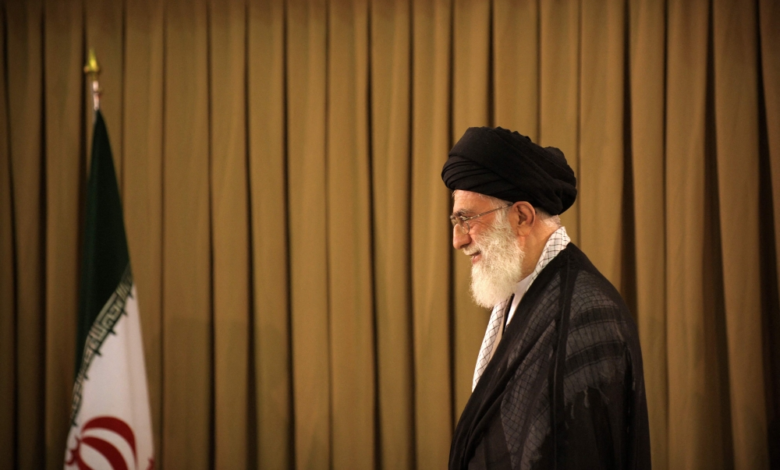
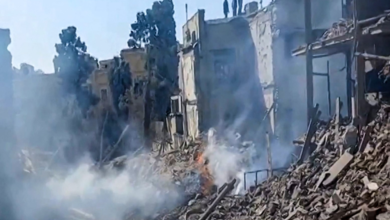
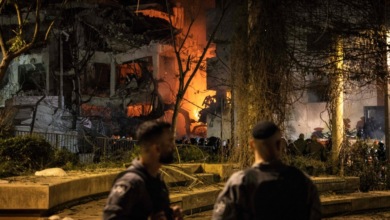
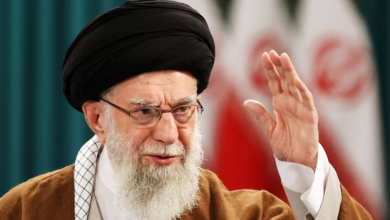
In a shocking development that rocked the Islamic Republic, the Iranian government officially announced the death of Supreme Leader Ali Khamenei, plunging the country into a state of shock and anticipation. According to the official statement broadcast on state television, Khamenei was killed at his residence in what was described as a “joint Israeli-American” strike. Immediately after the news was confirmed by Iran’s Supreme National Security Council, authorities declared a 40-day period of national mourning, along with a week-long public holiday across the country.
End of a historical era
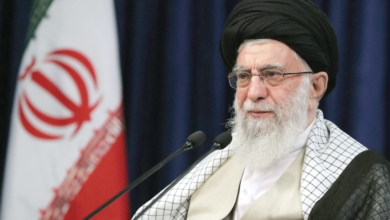
The death of Ali Khamenei marks the end of a long historical era spanning more than three decades. Khamenei assumed the position of Supreme Leader in 1989, succeeding the founder of the Islamic Republic, Ayatollah Ruhollah Khomeini. During his tenure, Khamenei held ultimate authority over all state affairs, from foreign policy and the nuclear program to military and economic matters. Under his leadership, Iran underwent major transformations, including the growing influence of the Islamic Revolutionary Guard Corps (IRGC), ongoing confrontations with the West that led to crippling economic sanctions, and the strengthening of Iran's network of allies in the region, including support for movements such as Hezbollah in Lebanon and the Houthis in Yemen.
Succession struggle and internal influence
The assassination of Khamenei opens the door to questions about the future of leadership in Iran. According to the Iranian constitution, the Assembly of Experts, a body of 88 clerics, is responsible for choosing the new Supreme Leader. The succession process is highly sensitive, and behind the scenes, it is expected to be a power struggle between different factions, particularly between the traditional religious establishment and the Islamic Revolutionary Guard Corps (IRGC), whose influence has expanded significantly in recent years. Speculation about a potential successor has been circulating for years, with his son, Mojtaba Khamenei, emerging as a prominent candidate, raising the issue of hereditary succession to the country's highest office.
Regional and international repercussions
The absence of Khamenei is expected to have profound repercussions extending far beyond Iran's borders, reaching the entire Middle East and the world. Regional powers such as Saudi Arabia and Israel, as well as global powers like the United States, will be closely monitoring the transfer of power and the identity of the new Supreme Leader. Iranian foreign policy, based on the principle of "exporting the revolution" and confronting American and Israeli influence, was central to Khamenei's vision. The new leader's approach will be crucial in determining the future of Iran's nuclear program, the level of support provided to Tehran's allies in the region, and the likelihood of engaging in dialogue or confrontation with its adversaries. Iran is now entering a period of uncertainty, and the personality of the next Supreme Leader will have the greatest impact on shaping its domestic and foreign policies for decades to come.