Insect vector control: Environmental commitment is the first line of defense
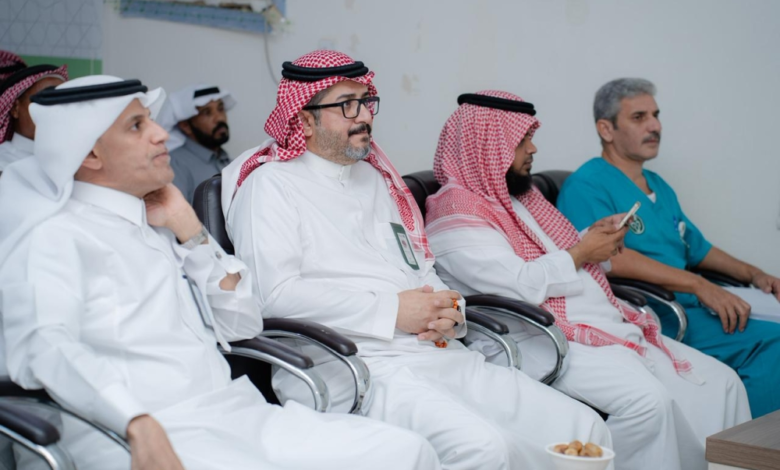
In a move aimed at enhancing health and environmental security, the Ministry of Environment, Water and Agriculture office in Al-Lith Governorate conducted a specialized awareness seminar entitled “Raising Awareness of Insect-Transmitted Diseases,” within the framework of an effective strategic partnership with the National Center for Prevention and Control of Plant Pests and Animal Diseases “Wiqa’a”.
The event, which was held in fruitful cooperation with the Bani Yazid Charitable Society, witnessed a distinguished attendance from the people of the region and those interested, as the seminar aimed to raise the level of community preparedness to face the potential health risks that may result from the spread of disease-carrying insects.
The importance of timing and the overall context
This symposium comes at a time of increasing global and local efforts to combat vector-borne diseases, which pose a significant public health challenge in many regions worldwide. These initiatives align with the goals of the Kingdom's Vision 2030, which places great emphasis on environmental protection and enhancing quality of life by reducing pollutants and pathogens. The "Weqaa" Center is a key pillar of this system, working to implement proactive preventive strategies to prevent outbreaks of pests and diseases before they occur.
Environmental commitment: the first line of defense
During the symposium sessions, specialists and experts agreed that strict adherence to environmental regulations represents the first and most effective line of defense against the spread of insect vectors. They emphasized that chemical solutions alone are insufficient; they must be complemented by community-based environmental awareness that prevents the emergence of breeding grounds for these insects.
Preventive control and community behavior
The participating experts explained that the concept of "preventive control" begins with sound environmental behavior by individuals and families. They emphasized the following points:
- The importance of eliminating potential breeding grounds, such as stagnant water pools and small swamps around homes.
- It is necessary to tightly close water tanks and sewage openings to prevent insects from reaching them.
- Safe and rapid disposal of solid waste that could become a haven for vectors.
The symposium reviewed a comprehensive set of binding health and environmental guidelines, which, if implemented, would significantly and tangibly reduce the chances of contracting insect-borne diseases, such as dengue fever and malaria.
Integration of governmental and civil efforts
The discussions focused on the necessity of adhering to regulations governing public hygiene and sanitation, as these are fundamental pillars for promoting public health and protecting society. The event also highlighted the role of the non-profit sector, represented by the Bani Yazid Charitable Society, in supporting government efforts to reach and raise awareness among all segments of society.
The sessions witnessed widespread positive interaction, as the organizers provided accurate scientific answers to the attendees’ inquiries about safe and effective prevention methods, reflecting the community’s awareness and desire to actively participate in protecting its environment.
This initiative aims to consolidate the concept of sustainable prevention and activate the pivotal community role in supporting the tireless governmental efforts to combat pests and common diseases, leading to a safe and sustainable healthy environment for all.