Indonesia floods: 770 dead and 463 missing in Sumatra
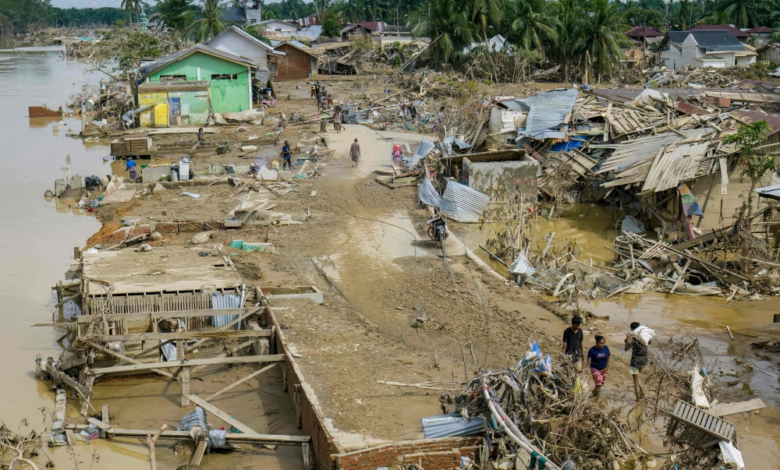
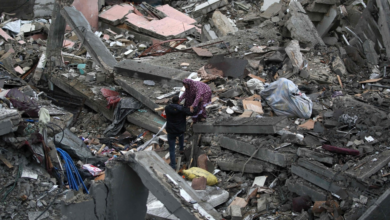
The death toll from the devastating floods and landslides that struck Indonesia's Sumatra island has risen tragically, with authorities reporting 770 fatalities and 463 people still missing across the three worst-hit provinces. These alarming figures underscore the scale of the natural disaster, and there are fears the numbers will climb further as search and rescue operations continue.
Regarding the situation on the ground, the head of the Disaster Information and Communication Center at Indonesia's National Disaster Management Agency reported that relief teams have begun receiving shipments of essential logistical aid. However, officials emphasized that the quantities received are still insufficient to meet the immense needs of those affected and displaced. Evacuation and relief efforts are facing significant obstacles, most notably the severe fuel shortage and the difficulty in accessing suitable transportation, which is hindering teams' ability to reach the affected and isolated areas.
challenging geographical and climatic context
To understand the scale of this disaster, one must consider Indonesia's geographical context. The Indonesian archipelago, comprising more than 17,000 islands, is one of the most disaster-prone regions in the world. The country lies on the Pacific Ring of Fire, an area prone to earthquakes and volcanic activity, but the most significant seasonal threat is torrential rains.
Indonesia has a tropical climate characterized by a long and heavy rainy season, typically lasting from October to March. During this period, the soil becomes saturated with water, making the mountainous and hilly regions of islands like Sumatra and Java highly susceptible to landslides, especially given environmental changes and deforestation that reduce soil stability.
Response challenges and disaster impact
The effects of these floods extend far beyond the immediate loss of life; they destroy vital infrastructure such as bridges, roads, and homes, isolating entire villages and hindering the delivery of food and medicine. These disasters also raise serious health concerns regarding the spread of waterborne diseases due to contaminated drinking water sources.
The Indonesian government, in cooperation with local and international humanitarian organizations, is intensifying its efforts to contain the crisis, but the rugged terrain and bad weather remain the biggest obstacle to a rapid response, making this incident one of the most painful disasters in the region’s recent history.