India urges its citizens to leave Iran amid escalating tensions
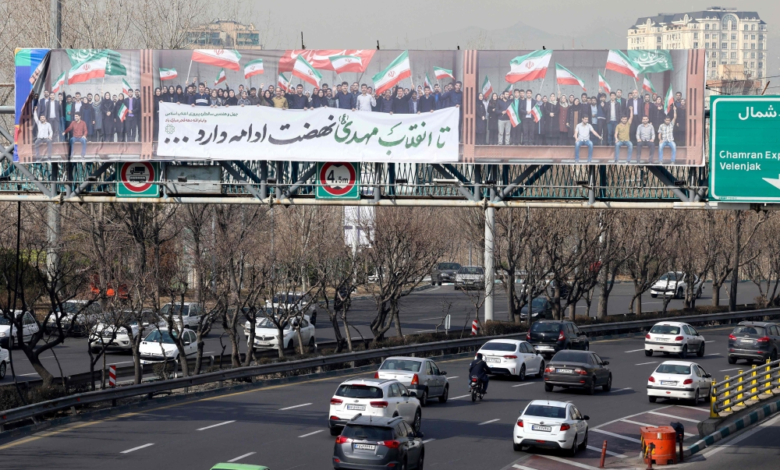
In a move reflecting growing concern over the deteriorating security situation in the Middle East, the Indian Ministry of External Affairs has advised its citizens residing in Iran to leave the country, amid escalating fears of a potential military confrontation that could include US strikes against Iranian targets. This warning is a precautionary measure to ensure the safety of Indian nationals given the prevailing uncertainty in the region.
The Indian Embassy in Tehran issued an official statement via its social media platforms, saying: “Due to the evolving situation in Iran, we advise Indian nationals currently in Iran to leave using available transportation, including commercial flights.” The statement added: “All Indian nationals should exercise caution, avoid areas of protests or demonstrations, maintain close contact with the Indian Embassy in Iran, and follow local media for updates.” The Indian Ministry of External Affairs estimates that approximately 10,000 Indian nationals currently reside in Iran, most of whom work in various sectors.
Background of tensions and their regional dimensions
This escalation stems from a series of events that began with the United States' withdrawal from the Iran nuclear deal (the Joint Comprehensive Plan of Action) in 2018 and its reimposition of crippling economic sanctions on Tehran under its "maximum pressure" policy. This policy has heightened tensions in the Gulf, with the region witnessing attacks on oil tankers and vital infrastructure, raising the prospect of direct conflict. India's call for its citizens to leave the region, despite maintaining good relations with both Iran and the United States, is a significant diplomatic signal that New Delhi is taking the threats seriously and fears the situation could spiral out of control.
India's balanced policy and its challenges
India finds itself in a delicate diplomatic position, striving to maintain its strategic interests with multiple actors in the region. On the one hand, Iran is a crucial energy partner for India, and the development of the Iranian port of Chabahar is a vital strategic project for New Delhi, providing it with a trade corridor to Afghanistan and Central Asia, bypassing Pakistan. On the other hand, India has significantly strengthened its strategic partnerships with the United States and Israel in recent years, particularly in the areas of defense, technology, and security.
This warning coincides with reports of an upcoming visit by Indian Prime Minister Narendra Modi to Israel, which his Israeli counterpart, Benjamin Netanyahu, described as contributing to building a “new alliance to confront extremist adversaries.” The two leaders previously exchanged visits in 2017 and 2018, reflecting the depth of bilateral relations. In this context, India is attempting to balance its close ties with the Gulf states and Iran with its growing partnership with Israel, making it a key player that closely monitors and is directly affected by regional developments.