The importance of nurturing premature babies to prevent disability
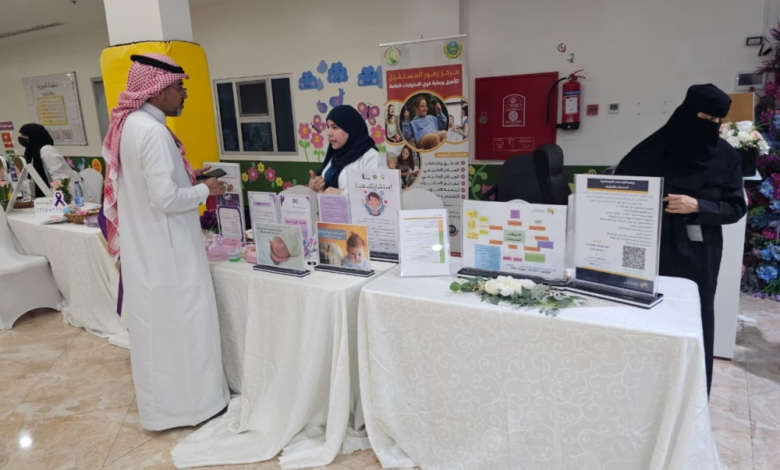
Pediatrician Ahlam Al-Saffar emphasized the vital and crucial role of direct physical contact, such as touching, hugging, and holding, in the life of a premature infant . She explained that these practices are not merely expressions of affection, but rather a medical and psychological necessity that directly contributes to alleviating the child's future suffering and acts as a safeguard against potential disabilities and learning delays.
The importance of the first touch and its physiological effect
In the context of the annual celebration of premature infants, Al-Saffar pointed out that preparing pregnant women psychologically for the possibility of premature birth is an important proactive step. Psychological stress and tension can have a negative impact, while psychological preparation helps in better coping with the baby.
A mother's first touch is of paramount importance; medical studies worldwide have proven that what is known as "kangaroo care," or direct skin-to-skin contact, helps regulate an infant's heartbeat, body temperature, and blood oxygen levels. Al-Saffar added, "A mother's affection and tenderness during those critical moments enhances a child's attention span, focus, and communication skills, thus reducing the chances of developing future disabilities such as cerebral palsy or learning difficulties.".
Shared responsibility and comprehensive medical follow-up
The role of care is not limited to the mother alone; the specialist emphasized that protecting the child is a shared responsibility between both parents. This stage requires meticulous and progressive medical follow-up, which includes:
- Hearing and vision tests: to ensure the health of the basic senses upon which the child depends to discover his world.
- Monitoring neurological and physical development: to detect any developmental or mental delays early.
- Adherence to the vaccination schedule: to strengthen the child's fragile immunity at this age.
Early intervention: key to survival and development
Al-Saffar explained a golden rule in premature infant care: “The earlier the intervention, the better and faster the results.” She advised against hesitating to consult specialists for regular assessments of the child’s condition. The comprehensive medical team needed for a premature infant includes:
- A psychologist to assess behavior and perception.
- A physical therapist specializing in improving motor skills.
- Speech and language specialist to overcome speech problems.
- Occupational therapist to promote the child's independence.
Psychological support and building a future champion
Al-Saffar concluded her remarks by emphasizing the necessity of continuous psychological support from parents for their children, stressing that love and affection are the spiritual nourishment that complements physical nutrition. She offered a message of hope to every family, saying, "Today's premature baby is tomorrow's hero," noting that many influential figures worldwide were born prematurely, and thanks to care and attention, they overcame their difficult beginnings to achieve great accomplishments.