18 killed in coal mine explosion in India: The full story
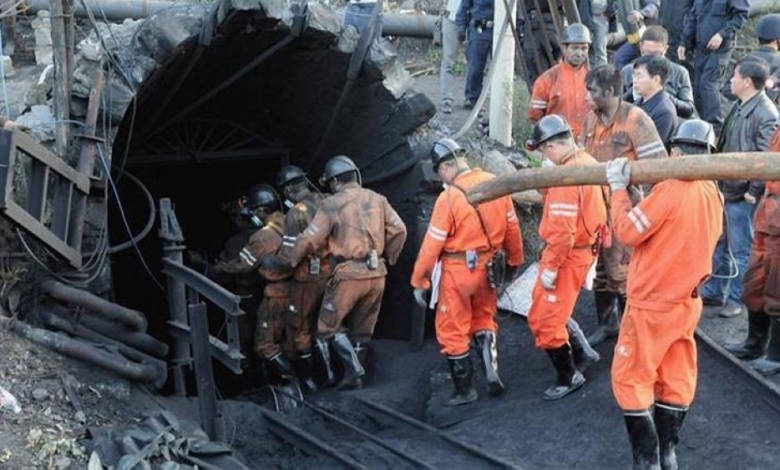
A new human tragedy struck the northeastern Indian state of Meghalaya on Thursday, when at least 18 people were killed in a devastating explosion at an illegally operated coal mine. The incident has once again highlighted the serious dangers associated with the country's unregulated mining sector, prompting local authorities to mobilize in response to the disaster.
The accident occurred in the remote East Jaintia Hills area, and rescue teams rushed to the scene immediately after receiving the report. Emergency responders began extensive and complex searches within the mine's narrow passages for other workers who might be trapped under the rubble or inside, in a race against time to save as many as possible.
Official investigations and legal accountability
In the first official response, Konrad Sangma, the chief minister of Meghalaya state, announced a thorough and comprehensive investigation into the circumstances of the incident to determine responsibility. Sangma emphasized that authorities would not tolerate those involved in operating these illegal mines, stating that the immediate priority was recovering the victims and securing the site.
The deadly phenomenon of "rat burrow mining"
The mining method used in this area is known as "rat-hole mining," a primitive and extremely dangerous technique. This process involves digging vertical shafts into the earth, from which very narrow horizontal tunnels branch off, allowing only one person to crawl through at a time to extract the coal. These mines lack even the most basic safety and ventilation standards, making them prone to landslides, flash floods, or explosions of accumulated gases, as happened in this incident.
Historical background and conflict with the law
Despite the extreme danger, these activities remain widespread in the mineral-rich state of Meghalaya. The Indian judiciary has intervened decisively in this matter, with the National Green Tribunal (NGT)—a federal court specializing in environmental cases—issuing a ruling banning this type of mining in 2014.
The ban came in response to repeated complaints from local communities and environmental activists, who stressed that unregulated mining has not only caused heavy human losses over the years, but has also led to environmental disasters, most notably the pollution of water sources and rivers, turning them acidic and unfit for human or agricultural use.
Economic challenges and continuing risks
Despite strict legal prohibitions, illegal mining continues clandestinely, driven by domestic demand for coal and dire economic conditions that compel local and migrant workers to risk their lives for meager wages. Indian authorities face significant challenges in completely eradicating this phenomenon in the rugged mountainous regions, making the recurrence of such tragic incidents likely unless stricter controls are implemented and economic alternatives are found for the local population.