Hungary's veto blocks EU sanctions against Russia
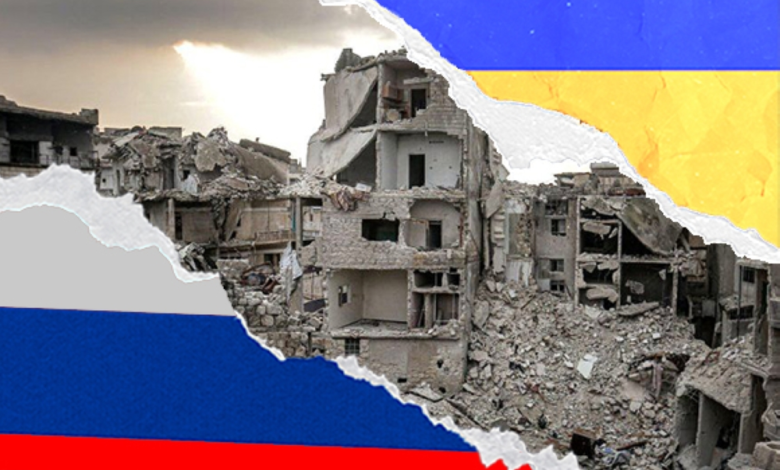
Setback in Brussels: Hungary uses its veto to block a new sanctions package
In a move described by the EU's foreign policy chief, Kaja Kallas, as a "setback," foreign ministers from the bloc's member states failed to reach a consensus on imposing a new package of sanctions against Russia. This failure came after Hungary exercised its veto, revealing growing divisions within the EU on the anniversary of Russia's full-scale invasion of Ukraine.
“It’s a setback and a message we didn’t want to send today, but the work continues,” Callas said after a meeting of foreign ministers in Brussels. This setback reflects the challenges facing the European Union in maintaining a united front against Moscow, especially as the war continues and its economic impact on member states persists.
Background of the conflict and the course of European sanctions
Since the start of the Russian invasion of Ukraine on February 24, 2022, the European Union has adopted a firm stance, imposing a series of unprecedented sanctions packages aimed at crippling Russia’s ability to finance its war. These sanctions have targeted the financial, energy, transport, and technology sectors, in addition to blacklisting hundreds of Russian individuals and entities. EU foreign and security policy decisions are based on the principle of unanimity, meaning that any member state, regardless of its size, has the power to block any decision, a tactic Hungary has repeatedly exploited.
Hungary's position: Energy interests and veto policy
This was not the first time Budapest, under Prime Minister Viktor Orbán, had taken a dissenting stance. Hungary's argument is primarily based on energy security, as it relies heavily on Russian oil and gas supplies. Its Foreign Minister, Péter Szijjártó, linked his country's approval of the new sanctions package to guarantees for the resumption of Russian oil flows through the Druzhba pipeline, which runs through Ukrainian territory. Hungary and Slovakia accuse Ukraine of obstructing the pipeline's operation, while Kyiv maintains that it was damaged by Russian airstrikes and, in turn, accuses Budapest of hindering its efforts to join the European Union.
The repercussions of the European division and its expected impact
This division represents more than just a delay in imposing new sanctions; it sends a political message that Moscow is exploiting to promote the idea that Western support for Ukraine is eroding. Regionally, this stance undermines the credibility of the European Union as a geopolitical power capable of making decisive and swift decisions. It also sparks internal debate about the unanimity-based decision-making mechanism, which critics argue paralyzes the bloc's ability to act effectively. Internationally, any hesitation in pressuring Russia is interpreted as a green light for its continued aggression, while directly impacting Ukraine, which relies on Western financial and military support and sanctions to weaken its adversary.
Despite this setback, other officials, such as French Foreign Minister Jean-Noël Barrot, expressed confidence that the package would ultimately be adopted, emphasizing that “the question is not whether it will be adopted, but when.” The greatest challenge facing European diplomacy remains finding a formula that satisfies all parties without compromising the unified principled stance against Russian aggression.