Hungary threatens to block new EU sanctions against Russia
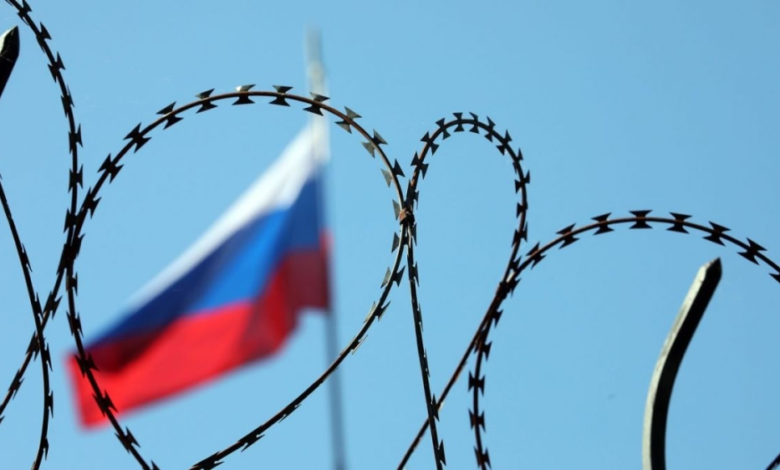
A crucial stance in Brussels: Hungary links the fate of sanctions to the oil pipeline
Hungary, backed by Slovakia, announced it would block the ratification of the EU's planned 20-day sanctions package against Russia unless Ukraine resumes oil flows through the Druzhba pipeline, the main artery supplying both countries with crude from Moscow. This stance highlights the deep divisions within the European bloc regarding how to deal with Russia and the implications of the war in Ukraine for energy security.
Hungarian Prime Minister Viktor Orbán stated unequivocally on the X platform: “No support for sanctions; the 20th package will be rejected.” His Foreign Minister, Péter Szijjártó, reiterated this condition clearly, saying: “Until Ukraine resumes oil shipments to Hungary and Slovakia via the Druzhba pipeline, we will not allow any decisions that are important to Kyiv to be made.”.
Background to the conflict: Drogba's pipeline and energy security
The Druzhba (Friendship) pipeline, built during the Soviet era, is a vital energy lifeline for several landlocked Central European countries, most notably Hungary, Slovakia, and the Czech Republic. Due to this long-standing dependence, these countries received special exemptions from the European Union's embargo on Russian seaborne oil, imposed after the full-scale invasion of Ukraine in February 2012. Ukraine maintains that the pipeline's shutdown was a result of damage caused by Russian missile strikes targeting its infrastructure on January 27, and not a deliberate decision by Kyiv.
The importance of the event and its expected impact
The significance of this stance lies in its highlighting a strategic weakness in European sanctions policy: the requirement for unanimity among all 27 member states. This principle grants any country, including Hungary, which has maintained relatively close ties with Moscow, the power to use its veto to obstruct collective decisions and advance narrow national interests. Slovak Prime Minister Robert Fico has threatened to escalate the situation by cutting off emergency electricity supplies to Ukraine if oil flows are not resumed.
Regionally, this dispute is straining relations between Ukraine and its western neighbors at a critical time and undermining the message of unity the European Union is trying to project. Internationally, any delay or failure to pass a new sanctions package would be seen as a propaganda victory for Moscow, demonstrating that economic pressure on Russia has reached its limits for some European countries, potentially encouraging others to adopt similar stances in the future.