The history of pizza: from food of the poor to global on its World Day
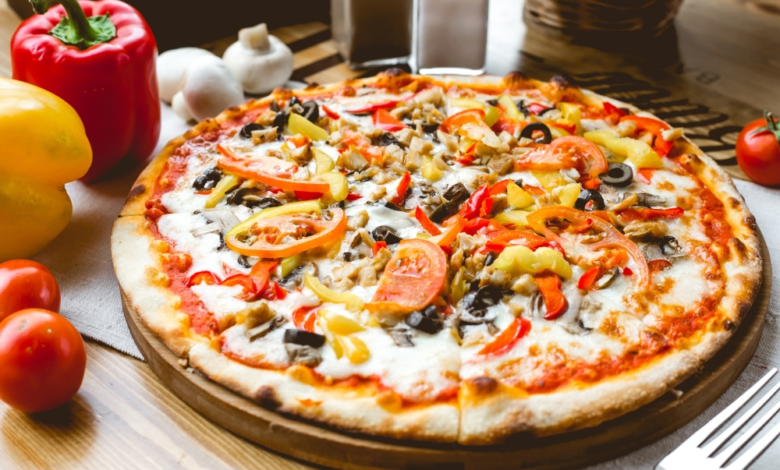
Pizza is one of the most famous and popular dishes in modern human history. This round crust has successfully transcended geographical and cultural boundaries to become a universal language understood by everyone. Every year on February 9th, the world celebrates "World Pizza Day," a date that symbolizes the celebration of this dish, which began very modestly and then rose to the top of the fast food scene.
Historical roots: Food for the poor in Naples
Pizza, in its earliest form, has its roots in ancient civilizations, but modern pizza as we know it today was born in the Italian city of Naples in the late 18th century. At that time, Naples was one of the largest and most populous cities in Europe, with its population more than doubling to nearly 400,000 by the mid-18th century. This massive population growth created a large class of poor working people known as "Lazzaroni.".
These workers needed cheap, quick, and easy-to-eat food while working or commuting. Pizza was the perfect solution: slices of baked dough sold by street vendors, topped with simple, readily available ingredients like garlic, lard, salt, and sometimes a little basil. Pizza wasn't a luxury then; it was a symbol of the daily struggles of the working class.
The turning point: The royal pizza “Margherita”
The radical shift in pizza history occurred in 1889, after the unification of Italy. Historical sources recount that King Umberto I and his wife, Queen Margherita, visited Naples, and, wishing to experience something different from the elaborate French cuisine prevalent in the royal palaces, they summoned the renowned pizza maker, Raffaele Esposito.
Esposito prepared three types of pizza, but the queen was particularly impressed with the third, which contained tomatoes, mozzarella cheese, and basil, and whose colors represented the Italian flag (red, white, and green). In honor of her admiration, Esposito named it "Pizza Margherita," and thanks to this incident, pizza transitioned from a food for the poor to a staple of royalty, acquiring a national significance.
Immigration to America and the impact of World War II
Despite its fame in Naples, pizza remained a local dish for a long time. With the waves of Italian immigration to the United States in the late 19th century, immigrants brought their food culture with them. In 1905, Gennaro Lombardi opened the first licensed pizzeria in the United States in New York City, marking the beginning of its widespread popularity.
However, the real explosion in popularity came after World War II. During the Allied campaign in Italy (1943-1944), American soldiers tasted pizza and fell in love with it. Upon returning home, they sought out this Italian flavor, creating a huge demand that contributed to the spread of pizza restaurants throughout the United States, transforming it from an ethnic dish specific to Italians into a quintessential American meal.
The industrial and economic development of pizza
Pizza didn't remain in its traditional form; it underwent modifications to suit modern consumer habits. In the 1950s, frozen pizzas emerged to cater to housewives, requiring the development of special types of cheese and tomato paste to maintain quality after freezing. In the 1960s, the Monaghan brothers revolutionized the delivery industry by founding Domino's, which focused on speed of delivery, making pizza the go-to meal for special occasions and family gatherings.
Amazing numbers and facts
Today, the pizza industry is a global economic powerhouse, generating billions of dollars. Statistics indicate that the United States consumes approximately 350 slices of pizza per second. Ironically, Norway tops the list of countries with the highest per capita pizza consumption globally, surpassing even Italy and the United States.
In the world of luxury, there's the "Louis XIII" pizza from the Italian city of Salerno, one of the most expensive in the world at a price of up to $12,000. Its dough takes 72 hours to prepare, and it's topped with rare types of caviar and imported lobster, proving that this simple dish can be adapted to satisfy all tastes and social classes.