High fasting blood sugar during Ramadan: symptoms, causes, and management
Ramadan and the challenge of controlling diabetes
The holy month of Ramadan is a special spiritual period for Muslims worldwide, but it presents a unique health challenge for millions of people with diabetes. The drastic change in meal times and sleep patterns can significantly impact blood sugar levels, making managing the condition a matter of awareness and precision. One of the biggest concerns for people with diabetes during this month is high fasting blood sugar, a condition that may seem illogical given the fasting period, but it occurs for complex physiological reasons and requires a thorough understanding to manage effectively.
General context: Why does blood sugar rise during fasting?
Some people mistakenly believe that fasting always lowers blood sugar, but in people with diabetes, the opposite can happen. During fasting, with no external source of energy (food), the body begins to break down glycogen stored in the liver into glucose to fuel the cells. Additionally, hormonal changes, such as increased stress hormones like cortisol, can stimulate the liver to produce more sugar. If the body doesn't produce enough insulin or doesn't use it effectively (insulin resistance), this glucose accumulates in the blood, leading to elevated fasting blood sugar levels.
Warning signs of high blood sugar that should not be ignored
It is essential for a fasting patient to be aware of the signals their body sends. Symptoms may begin gradually, but ignoring them can lead to serious complications.
Initial and early symptoms:
- Extreme thirst: A persistent feeling of needing to drink water even after breakfast.
- Frequent urination: The body's attempt to get rid of excess sugar through urine.
- General fatigue and exhaustion: The inability of cells to use glucose for energy causes a feeling of lethargy.
- Blurred vision: High blood sugar can affect the lens of the eye.
- Mood swings: Feeling irritable or nervous for no apparent reason.
Advanced and serious symptoms:
If high blood sugar persists without intervention, symptoms may develop into a more serious condition known as diabetic ketoacidosis, the signs of which include:
- A acetone or fruity breath odor: a result of ketone buildup in the blood.
- Severe dryness of the mouth and skin.
- Abdominal pain, nausea, or vomiting.
- difficulty breathing.
Common causes of high blood sugar during Ramadan
There are several factors that may contribute to elevated glucose levels during fasting, the most important of which are:
- Failure to adjust medication doses: Continuing with the same doses of insulin or oral medications without consulting a doctor to suit the fasting pattern.
- An unbalanced diet: Excessive consumption of simple carbohydrates, sugars, and fats at breakfast and suhoor meals.
- Dehydration: Not drinking enough fluids between Iftar and Suhoor affects kidney function and blood sugar concentration.
- Physical inactivity: Lack of movement during the day in Ramadan can reduce the body's sensitivity to insulin.
- Stress and tension: Psychological or physical stress can raise blood sugar levels.
Coping and prevention strategies
Managing high fasting blood sugar requires a proactive and organized plan in collaboration with the medical team. Here are the most important tips:
- Prior medical consultation: Visiting a doctor before the start of Ramadan to assess the health condition and adjust the treatment plan is essential.
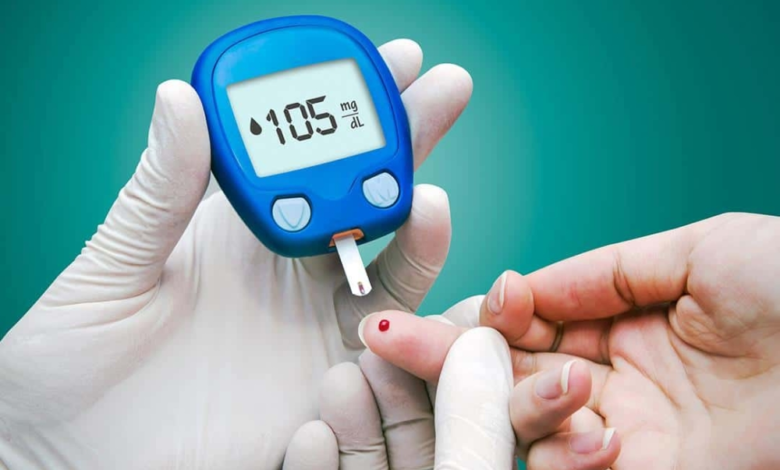
- Regular monitoring: Regularly measuring blood sugar levels throughout the day (especially midday and before breakfast) is essential to take timely action.
- Good hydration: Make sure to drink plenty of water and sugar-free fluids between Iftar and Suhoor.
- Balanced meals: Divide the breakfast meal, focus on complex carbohydrates (whole grains), proteins, and fiber, and delay the pre-dawn meal (suhoor) as much as possible.
- Moderate physical activity: Light exercise such as walking two hours after breakfast helps regulate blood sugar levels.
Fasting during Ramadan is possible and safe for people with diabetes if well-planned. Being aware of the symptoms, understanding the causes, adhering to the treatment plan, and continuous monitoring are key to a healthy and blessed month.