Smart restrooms in the Two Holy Mosques: Modern technology to serve the pilgrims
A qualitative leap in serving pilgrims and Umrah performers
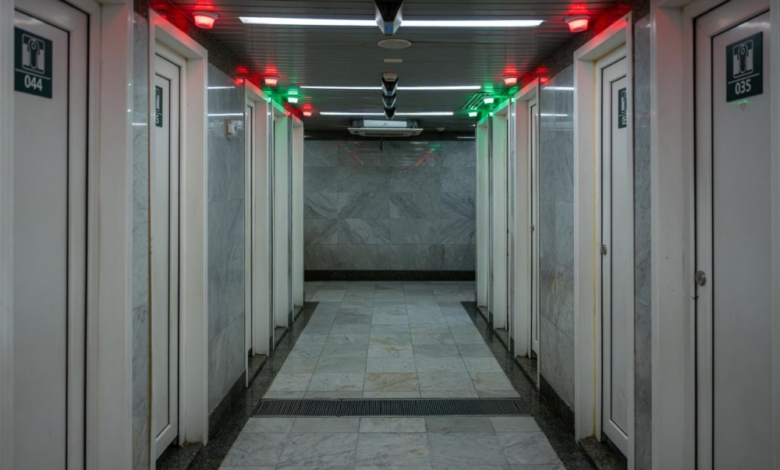
In a move reflecting the Kingdom of Saudi Arabia’s commitment to harnessing the latest technologies to serve pilgrims, the General Authority for the Care of the Two Holy Mosques announced the commencement of the pilot phase of the “Smart Restrooms” project. This pioneering project aims to enhance the overall experience for the millions of visitors who flock to Islam’s holiest sites annually, through an advanced system that utilizes artificial intelligence (AI) and the Internet of Things (IoT) to manage facilities with unprecedented efficiency.
General context: Within the 2030 vision for the development of the Two Holy Mosques
This project is an integral part of the Kingdom's ongoing efforts within Vision 2030, which prioritizes enhancing the Hajj and Umrah experience. Over the decades, the Two Holy Mosques have undergone massive expansions to accommodate the increasing numbers of pilgrims and Umrah performers. These expansions have presented significant logistical challenges, particularly in managing the service facilities used by millions daily. Digital transformation and the adoption of smart solutions represent a strategic response to these challenges, as modern technology enables the efficient management of crowds and facilities, ensuring a safe, healthy, and comfortable environment for all visitors.
How smart toilets work and their direct impact
The new system relies on a network of sensors and smart systems that work together to provide innovative solutions, most notably:
- Smart spatial guidance: Restroom complexes are connected to external guidance screens that instantly direct visitors to the nearest available restroom. These screens display live data on occupancy status and the number of vacant units, significantly reducing search and waiting times, helping to alleviate congestion, and ensuring smooth crowd flow.
- An enhanced healthy environment: Technology's role extends beyond management to include enhancing hygiene and health standards. Facilities are equipped with advanced sensors that measure air quality, control odors, and automatically and sustainably activate sanitization and cleaning systems, ensuring a healthy environment around the clock.
- Centralized management and immediate decision-making: All these operations are managed through a unified, centralized control platform. This platform allows field leaders to accurately monitor performance indicators in real time, such as utilization rates, maintenance needs, and consumable levels. This enables them to make quick and sound operational decisions and intervene immediately when necessary to ensure the highest quality of service.
The importance and expected impact of the project
The “Smart Restrooms” project holds strategic importance that extends beyond simply improving a service facility. Locally, the project enhances operational efficiency, reduces costs, and solidifies the Kingdom’s position as a leader in leveraging technology to serve the Two Holy Mosques. Internationally, it presents an innovative global model for managing facilities in locations experiencing massive population density, further enhancing the Kingdom’s reputation as a distinguished organizer of the world’s largest religious gatherings. This convenient and comfortable experience is expected to leave a lasting positive impression on pilgrims arriving from around the world.
A pilot phase towards generalizing the experiment
The current phase of the project serves as a true test of the efficiency and resilience of these advanced systems in one of the world's most challenging operating environments. Through this pilot phase, the Authority aims to accurately monitor results and indicators, paving the way for gradual expansion and the generalization of this smart experience across the remaining complexes, in line with its commitment to providing an exceptional experience that meets the aspirations of visitors to the Two Holy Mosques.