Record numbers in services at the Two Holy Mosques during Ramadan 1445
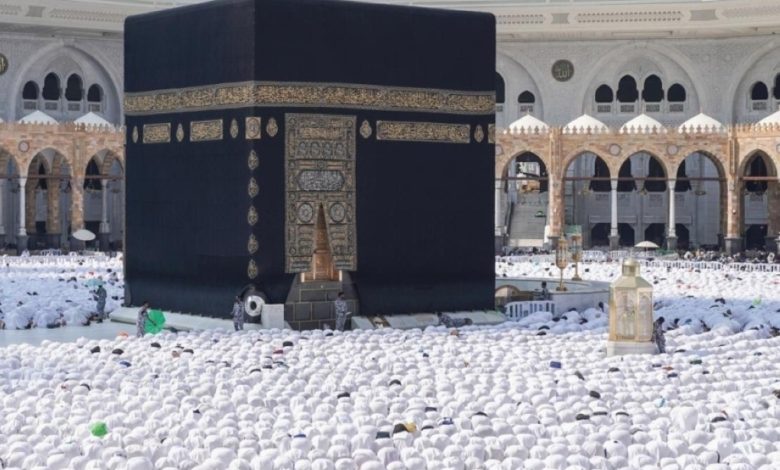
Exceptional efforts to serve the guests of God
The General Authority for the Care of the Two Holy Mosques announced record-breaking figures in the services provided to visitors of the Two Holy Mosques during the first ten days of Ramadan 1445 AH. These statistics reflect the scale of efforts undertaken within a comprehensive operational plan aimed at providing a safe and accessible spiritual environment for the millions of Muslims who flock to the holiest sites to perform Umrah and visit the holy sites.
Historical background and importance of the Ramadan season
The month of Ramadan holds a special place in the hearts of Muslims worldwide, a time when rewards are multiplied and acts of worship increase. Historically, serving the Two Holy Mosques and caring for their visitors has been a great honor and a significant responsibility undertaken by the Kingdom of Saudi Arabia since its founding. Over the decades, the Kingdom has invested in massive expansion projects and the development of advanced infrastructure to accommodate the growing numbers of pilgrims, especially during peak seasons such as Ramadan and Hajj. These efforts are a continuation of this historical legacy, harnessing the latest technologies and human resources to ensure the comfort of the guests of God.
Service details in numbers
The Authority revealed detailed figures highlighting the scale of the operations, noting that 15,333 cubic meters of blessed Zamzam water were consumed. More than 9.5 million people benefited from the Iftar meals distributed in the courtyards of the Two Holy Mosques, reflecting the spirit of Islamic solidarity. Regarding guidance services, assistance was provided to more than 586,000 visitors through qualified field teams speaking multiple languages to answer their inquiries and guide them. To facilitate the performance of rituals for the elderly and people with disabilities, 332,022 individuals benefited from wheelchair services, while 104,159 pilgrims received assistance with the ritual purification rituals (Tahallul) at the Grand Mosque.
Local and international impact
The significance of these efforts extends beyond the local level, encompassing the entire Muslim world. Successfully managing these millions of pilgrims reinforces the Kingdom's position as a leader of the Muslim world and custodian of the Two Holy Mosques. Internationally, these operations offer a unique model for crowd management and large-scale logistical services, aligning with the goals of Saudi Vision 2030, which aims to enhance the experience of pilgrims and visitors and enable more Muslims to perform their rituals with ease and peace of mind. These record-breaking figures are not mere statistics; they are a testament to a steadfast commitment to providing the highest levels of service to the guests of God.