Haram maps and crowd management routes: A guide to crowd management during Hajj
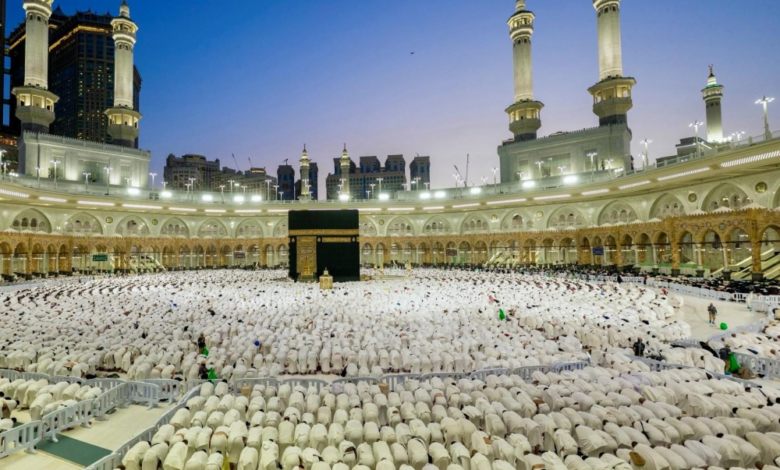
In the heart of Mecca, where the hearts of over two billion Muslims turn, the Holy Mosque represents a unique spiritual meeting point. With millions of pilgrims flocking to Mecca annually to perform Hajj and Umrah, crowd management emerges as one of the world's greatest logistical challenges. To address this challenge, the Kingdom of Saudi Arabia has developed an integrated system based on strategic planning and modern technologies. At the heart of this system are the "Masjid al-Haram Maps and Crowd Management Routes," a strategic guide that ensures the safety and smooth flow of pilgrims.
Historical context: From challenges to innovative solutions
Throughout history, managing massive numbers of pilgrims has been a persistent challenge. With the growing Muslim population worldwide and the ease of travel, recent decades have witnessed a dramatic surge in the number of pilgrims arriving in the Holy Land. This increase has historically led to tragic stampedes and overcrowding, prompting Saudi authorities to fundamentally rethink crowd management strategies. The development journey began with historic expansions of the Grand Mosque and the Holy Sites, but the leadership quickly realized that the solution lay not only in physical expansion but also in the intelligent management of available spaces and the precise, scientific organization of human movement.
The importance of Haram maps and crowd management routes
Today, the Haram maps and crowd management routes are more than just paper guidelines; they are a dynamic, living system based on real-time data and artificial intelligence. These routes are meticulously designed to distribute crowd density evenly across all entrances, exits, levels, and surrounding courtyards of the Haram.
- Advance planning: Crowd plans are put in place well before the start of the season, taking into account the expected numbers of pilgrims from each country, peak times, and the capacity of each area within the Haram and the holy sites (such as the Mataf area, the Sa’i area, and the Jamarat Bridge).
- Real-time monitoring: Operations rooms utilize thousands of high-definition cameras and video analysis technologies to monitor crowd flow in real time. If congestion is detected in any area, alternative plans are immediately activated, and pilgrims are directed to less crowded routes via electronic guidance screens, text messages, and smartphone applications.
- Integration between entities: This system operates in full coordination between the General Presidency for the Affairs of the Grand Mosque and the Prophet’s Mosque, the Hajj and Umrah Security Forces, the Ministry of Hajj and Umrah, and the Makkah Region Development Authority, to ensure the efficient and effective implementation of plans.
Local and international impact
At the local level, this strategy contributes to a safe and convenient Hajj and Umrah experience, enhancing the comfort and peace of mind of pilgrims and allowing them to perform their rituals with devotion and tranquility. It also reduces pressure on security and medical personnel and ensures rapid access to emergency services when needed.
On both regional and international levels, the Kingdom's success in managing these millions of pilgrims reinforces its position as a leader of the Islamic world and underscores its unparalleled ability to organize the world's largest annual gathering of people with exceptional efficiency. The Saudi experience in crowd management has become a global model studied and emulated in organizing major events and international occasions, reflecting the Kingdom's unwavering commitment to serving the Two Holy Mosques and their visitors according to the highest international standards.