Guterres warns: The Middle East is on the brink of collapse and risks a regional war
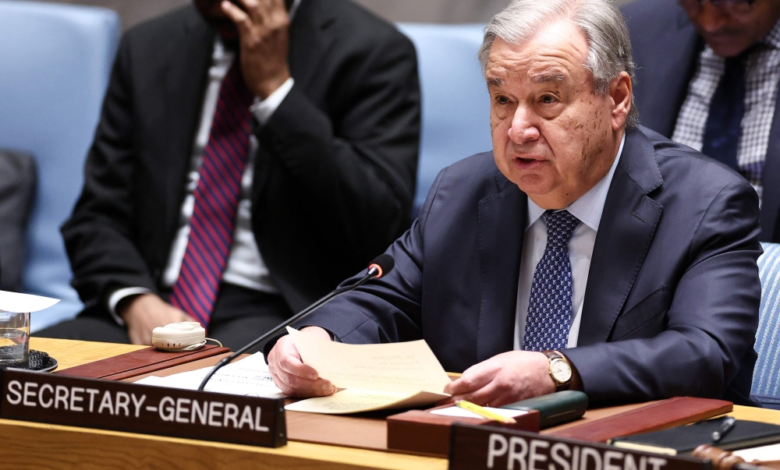
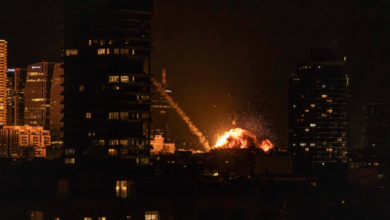
In an emergency session of the UN Security Council, Secretary-General António Guterres sounded the alarm, warning that the Middle East is on the “brink of disaster” and faces a real risk of sliding into a “devastating, large-scale regional conflict.” His stark remarks came in the wake of an unprecedented military escalation in the region, marked by Iran’s direct attack on Israel with dozens of drones and missiles.
Context of escalation: From shadow war to direct confrontation
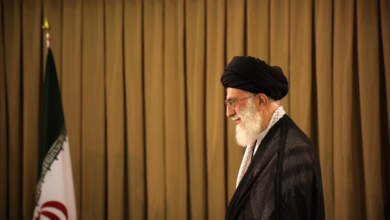
This tension did not arise in a vacuum; rather, it is the culmination of decades of a “shadow war” between Iran and Israel. However, the spark that ignited this time was the airstrike that targeted the Iranian consulate in Damascus in early April, which was attributed to Israel and resulted in the deaths of prominent commanders in the Iranian Revolutionary Guard. Tehran considered this attack a violation of its sovereignty and a breach of international law, and vowed an inevitable response, which materialized in the subsequent attack it launched, describing it as self-defense under Article 51 of the UN Charter.
The importance of the event and its expected impact
In his address, Guterres stressed the need for an immediate cessation of hostilities, urging all parties to exercise “maximum restraint” to avoid any action that could lead to major military confrontations on multiple fronts in the Middle East. He added, “It is time to step back from the brink. It is essential to avoid any action that could lead to major military confrontations.” The Secretary-General condemned both the Iranian attack and the raid on the consulate, emphasizing the principle of the inviolability of diplomatic premises.
The danger of the current situation lies in the potential for things to spiral out of control, transforming the conflict into a full-blown regional war that could draw in other parties such as Hezbollah in Lebanon, the Houthis in Yemen, and armed factions in Iraq and Syria. Such a scenario would not only have devastating consequences for the people of the region, but its effects would also extend to the global economy, potentially leading to a dramatic increase in energy prices and the disruption of vital international shipping and trade routes, particularly through the Strait of Hormuz.
International calls for de-escalation
The world's attention is now focused on how Israel will respond, amid intense international calls for restraint and avoidance of a military response that could ignite a new cycle of violence. The United States and its European allies are leading intensive diplomatic efforts to prevent further escalation, emphasizing that the focus now must be on containing the crisis and preventing its expansion. The Security Council session and ongoing diplomatic consultations remain a glimmer of hope for reason to prevail and for averting a regional catastrophe with uncontrollable consequences.