The Iranian president warns of all-out war and the dismissal of the head of Irancell
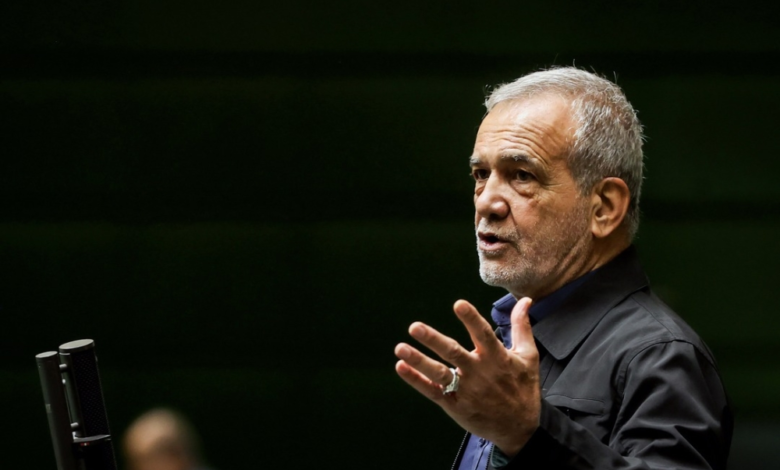
In a dangerous escalation of political and military rhetoric, Iranian President Masoud Pezeshkian explicitly warned that any attempt to target the Supreme Leader of the Islamic Republic, Ayatollah Ali Khamenei, would be considered a "declaration of all-out war," amid escalating tensions in the region and relations with the United States.
A strongly worded warning in response to American threats
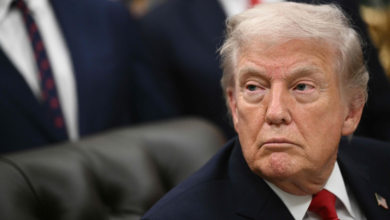
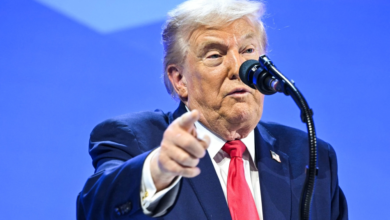
Pezeshkian asserted in an official post on the "X" platform that any attack on the top of the political and religious hierarchy in Tehran is a red line that cannot be crossed. This fiery statement came as a direct and immediate response to remarks attributed to US President Donald Trump, made to the "Politico" website, in which he suggested that the time had come to look for "new leadership in Iran," a statement Tehran considered an existential threat to its political system.
This warning carries profound implications that go beyond mere media statements; the Supreme Leader in the Iranian constitution is not just a political leader, but the supreme symbol of sovereignty and the Guardianship of the Jurist, and therefore any threat to him is interpreted in Iranian military doctrine as a direct attack on the very foundation of the state and the sect, which necessitates an unlimited military response.
The dismissal of the head of "Irancell" and the repercussions of digital censorship
In a related development concerning domestic affairs and security measures, the Iranian news agency Fars reported the dismissal of Ali Reza Rafiei, CEO of Irancell, the country's second-largest telecommunications operator. This punitive measure was taken due to the company's failure to comply quickly enough with security authorities' directives to block internet services and restrict access to the World Wide Web.
Reports indicate that Rafiei, who had managed the company for about a year, was dismissed for failing to implement "measures related to restricting internet access during crises," a term used by authorities to refer to periods of popular protests. Irancell, founded in 2005 and serving approximately 70 million subscribers, is a cornerstone of Iran's telecommunications infrastructure.
The context of the protests and the "digital blackout" strategy
These developments come at a time when Iran has been experiencing a wave of protests that erupted in late December over deteriorating living conditions and the economy. Iranian authorities typically resort to a strategy of "digital blackout" and internet shutdowns during periods of unrest to prevent protesters from organizing or sharing videos documenting events with the outside world.
Since January 8, Iranians have suffered a near-total internet blackout, with some services recently being restored only in a limited and gradual manner, including access to search engines like Google. This reflects the ongoing conflict between the authorities' desire for security control and the vital need for internet access to sustain daily life and the economy.