Organizing the gates of the Grand Mosque during Ramadan for the comfort of pilgrims and visitors
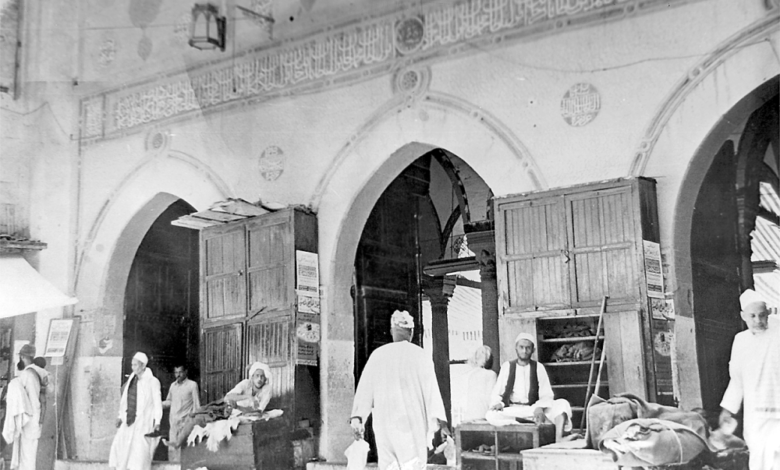
With the arrival of the holy month of Ramadan, the eyes of millions of Muslims around the world turn to Mecca, where the Grand Mosque witnesses the peak influx of pilgrims and visitors. In this context, the General Authority for the Care of the Two Holy Mosques announced its operational plan to regulate entry and exit through the gates of the Grand Mosque, aiming to provide a safe and convenient spiritual experience for the guests of God.
The importance of crowd management in the Grand Mosque during Ramadan
Managing crowds at the Grand Mosque, especially during peak seasons like Ramadan and Hajj, is a formidable logistical challenge of paramount importance. Historically, the Kingdom of Saudi Arabia has prioritized the development of infrastructure and services at the Two Holy Mosques to ensure the safety and comfort of pilgrims. These annual organizational plans are part of a comprehensive and continuously evolving system that leverages the latest technologies and global best practices in crowd management. These efforts, aligned with the goals of Saudi Vision 2030, aim to increase capacity and enhance the quality of services provided to pilgrims, reflecting the Kingdom's leading role in serving Islam and Muslims.
Details of the operational plan for distributing worshippers and pilgrims
The plan relies on allocating specific gates and pathways for each category of visitors, preventing overcrowding and ensuring smooth movement throughout the courtyards, arcades, and various levels of the Holy Mosque. The gates and bridges have been designated as follows:
Gates and bridges designated for the entry of pilgrims
- King Abdulaziz Gate (No. 1)
- King Fahd Gate (No. 79)
- Umrah Gate
- Bab al-Salam (No. 19)
- Al-Shabika Bridge (64) for the first floor
- Ajyad Bridge (No. 7) for the first floor
Doors designated for the entry of worshippers
- Bridges and stairs: Ajyad Bridge – Al Marwa Bridge – Al Safa Bridge – Al Arqam Staircase – Staircase 74 – Staircase 84 – Staircase 91.
- Doors: Door 69 – 70 – 71 – 72 – 73 – 89 – 90 – 114 – 121 – 123.
Doors leading to women's prayer areas
Specific doors have been designated to ensure the privacy and easy access of women to the prayer areas designated for them, namely: Door 70 – 85 – 86 – 87 – 89.
Special facilities for people with disabilities
To ensure accessibility for all groups, specially equipped entrances and walkways have been provided to accommodate people with disabilities, including:
- Doors: 68 – 69 – 89 – 93 – 94 – 114 – 123.
- Bridges: Al Marwa Bridge – Arabat Al Shubaika Bridge – Ajyad Bridge – Al Safa Bridge.
Doors designated for funerals and emergencies
- Chapter 7: Dedicated to the funeral prayer area.
- Chapter 5: To exit the funeral prayer area.
- Chapters 13 and 14: For emergency situations only.
Expected impact of the organization on visitor experience
The implementation of this meticulous organizational plan has a direct and positive impact on the experience of millions of pilgrims and worshippers. Locally, the plan ensures the safety of citizens and residents and reduces congestion in the central area. Regionally and internationally, the successful management of these massive crowds enhances the Kingdom's reputation as a safe and well-organized religious destination and underscores its ability to efficiently host the world's largest gatherings. This organization also allows visitors to perform their rituals and acts of worship in an atmosphere of tranquility and devotion, free from the anxiety of stampedes or getting lost, thus contributing to the ultimate purpose of visiting the Holy Mosque.