Trump and Putin: The new Peace Council and the future of the United Nations
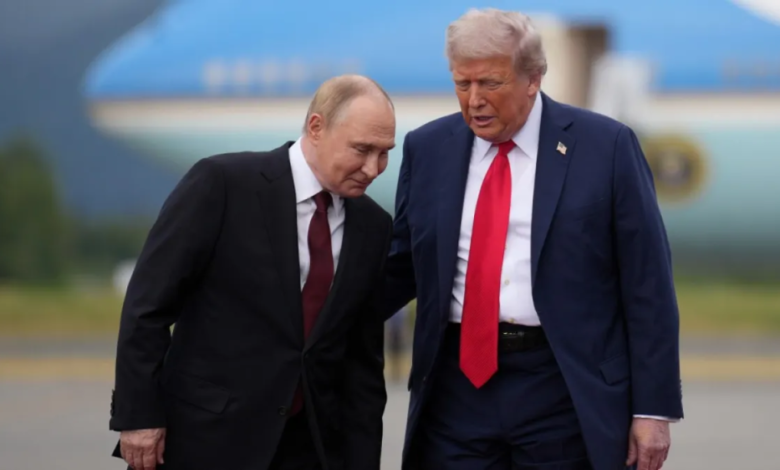
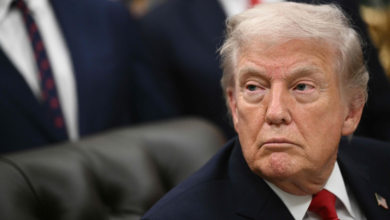
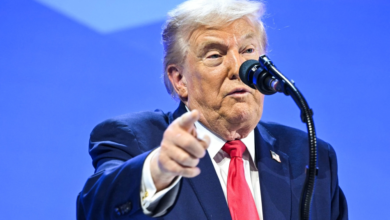
In a remarkable development that could redraw the global balance of power, US President Donald Trump announced that his Russian counterpart Vladimir Putin had accepted his invitation to join what he called the "Peace Council," the new international entity that Trump intends to establish as a rival and perhaps an alternative to the United Nations, which he has long criticized harshly.
Details of the invitation and the Russian response
In his recent remarks, Trump asserted that the Russian response was positive, reinforcing his ambition to establish a new international order. The Kremlin, for its part, treated the invitation with clear diplomatic seriousness, with Russian President Vladimir Putin stating that he had given direct instructions to the Russian Foreign Ministry to study the invitation from his American counterpart.
"I have instructed the Russian Foreign Ministry to study the documents we have received and to consult with our strategic partners in this regard," Putin said during a high-level government meeting, stressing that the official and final response will come after the completion of these consultations, indicating Moscow's desire to ensure that this step is consistent with its interests and existing alliances.
Context of conflict with traditional international institutions
This announcement cannot be separated from the broader context of Trump's foreign policy, which has always been characterized by the "America First" slogan and skepticism about the effectiveness of traditional international organizations. Trump has consistently criticized the United Nations, describing it as bureaucratic and ineffective, and arguing that it drains American resources without achieving tangible results in resolving international conflicts. The idea of a "Peace Council" embodies Trump's vision of creating a platform that would allow major powers to negotiate directly, bypassing the complexities of the General Assembly and the Security Council.
Geopolitical dimensions and expected impact
This potential rapprochement between Washington and Moscow under the umbrella of a new entity carries profound implications:
- Reshaping the international system: The successful establishment of this council with Russian participation could mean the beginning of the end for the unipolar system or even the traditional multipolarity represented by the United Nations, paving the way for a new system based on direct understandings between the major nuclear powers.
- The future of the United Nations: This move raises existential questions about the future of the United Nations. If two countries the size of the United States and Russia decide to shift their diplomatic weight to a parallel entity, this will inevitably marginalize the international organization and diminish its role in maintaining international peace and security.
- International stance: This new alliance is expected to raise widespread concern among the United States' traditional allies in Europe (NATO), as well as with China, which may see this council as a new bloc that could affect its growing influence.
Putin’s invitation to join the “Peace Council” is not just a passing news item, but an indication of profound shifts in the political doctrine of the great powers, where multilateral diplomacy is being replaced by alliances of direct interests, which may change the face of international politics for years to come.