Transport strike in Germany: Paralysis expected in major cities
A new strike announcement paralyzes public transport
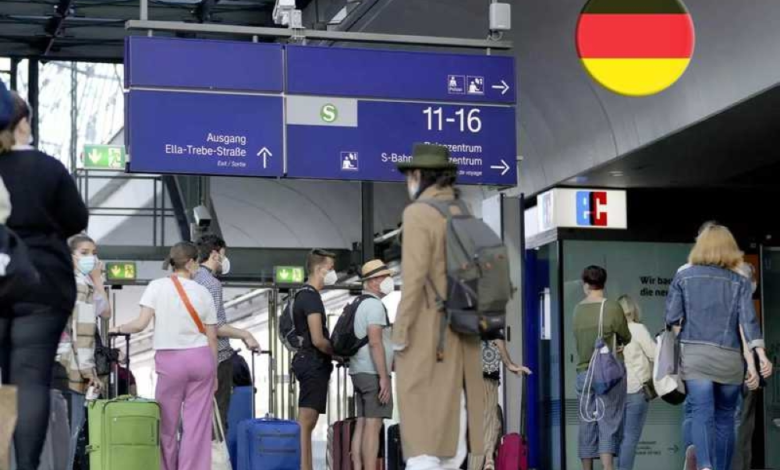
Germany is bracing for a new wave of disruptions to public transport, with Verdi, one of the country's largest service unions, calling for a second warning strike on Friday and Saturday. This escalation follows a first 24-hour strike that severely impacted the commutes of millions across the country and threatens to bring bus, tram, and subway services to a near standstill in most major German cities.
General context: Stalled negotiations amid a cost-of-living crisis
These recurring strikes stem from a deep disagreement between unions and employers over new collective bargaining agreements. The Verdi union is demanding significant wage increases to counter high inflation rates that have eroded workers' purchasing power. The union maintains that employers' offers so far are insufficient and fail to reflect the extent of the economic pressures facing workers. Historically, Germany has had a robust system of collective bargaining, but the gap between workers' demands and companies' offers has widened in recent years, particularly after the COVID-19 pandemic and the European energy crisis, making strikes a key tool for securing workers' demands.
The importance of the event and its expected impact on various levels
The impact of this strike extends far beyond mere inconvenience to daily commuters, carrying with it broad economic and social dimensions:
- At the local level, millions of citizens, including employees and students, are expected to face significant difficulties reaching their workplaces and schools. This disruption will lead to increased reliance on private vehicles, causing severe traffic congestion and further straining road infrastructure. The retail and service sectors will also be negatively impacted by the decline in shoppers and customers.
- At the regional and national levels, the public transport network is the lifeblood of the German economy. Its disruption impacts overall productivity, as employees are late or unable to reach their workplaces, costing the German economy millions of euros daily. This conflict also tarnishes Germany's image as a country with industrial stability and balanced labor relations.
- On the international level: Although the strike is focused on domestic transport, its occasional simultaneous occurrence with strikes in other vital sectors such as airports (as recently happened with Lufthansa employees) can create a significant international impact. Airports like Frankfurt and Munich are major gateways to Europe, and any disruption there causes delays and cancellations worldwide, affecting tourism and international trade.
With each side holding firm to its position, the situation remains open to all possibilities, including new rounds of more intense strikes if an agreement that satisfies all parties is not reached in the near future.